THE LEGACY
1867 Vancouver Drive | Honolulu | O‘ahu
Origins of a Legacy
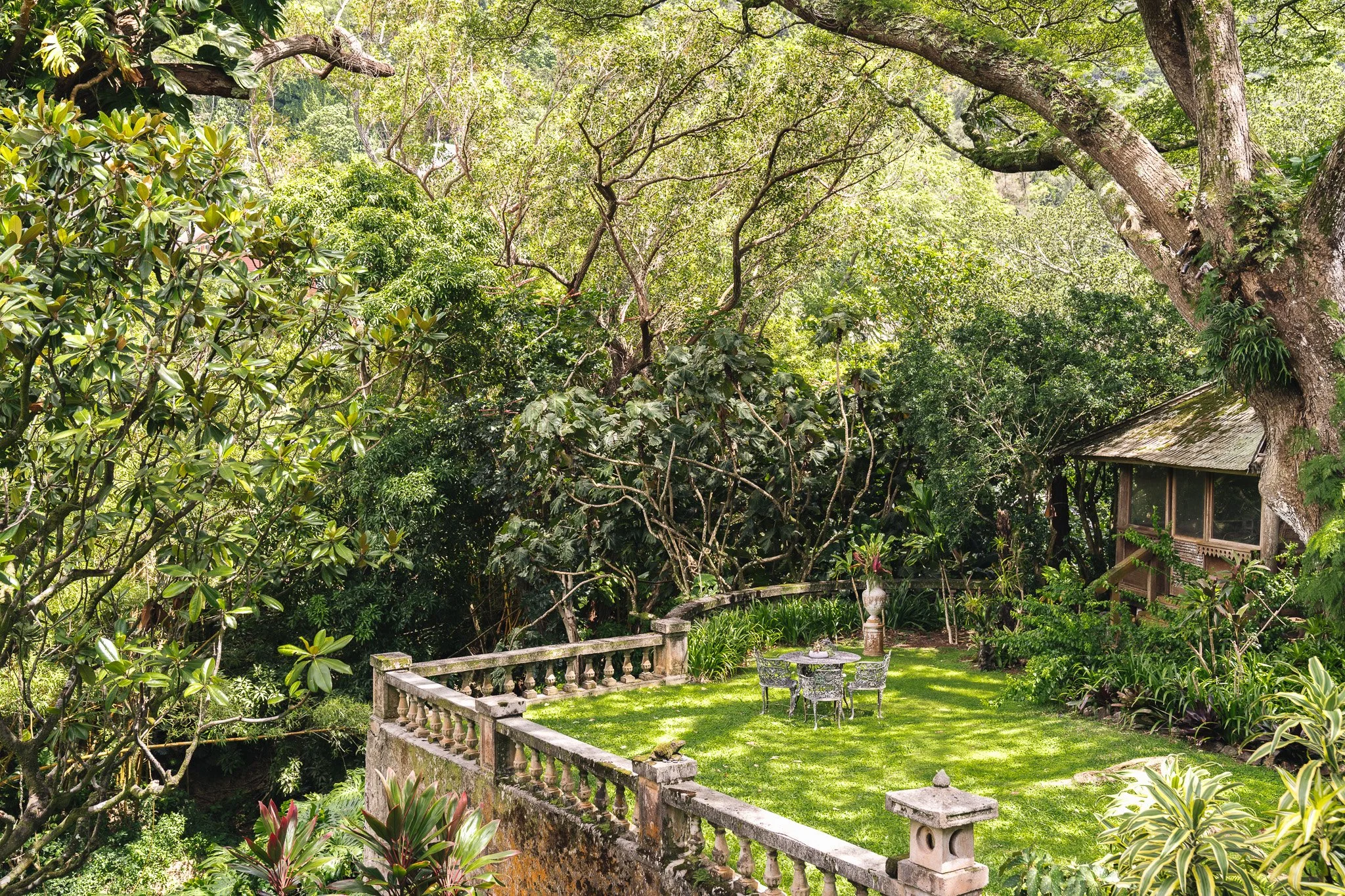
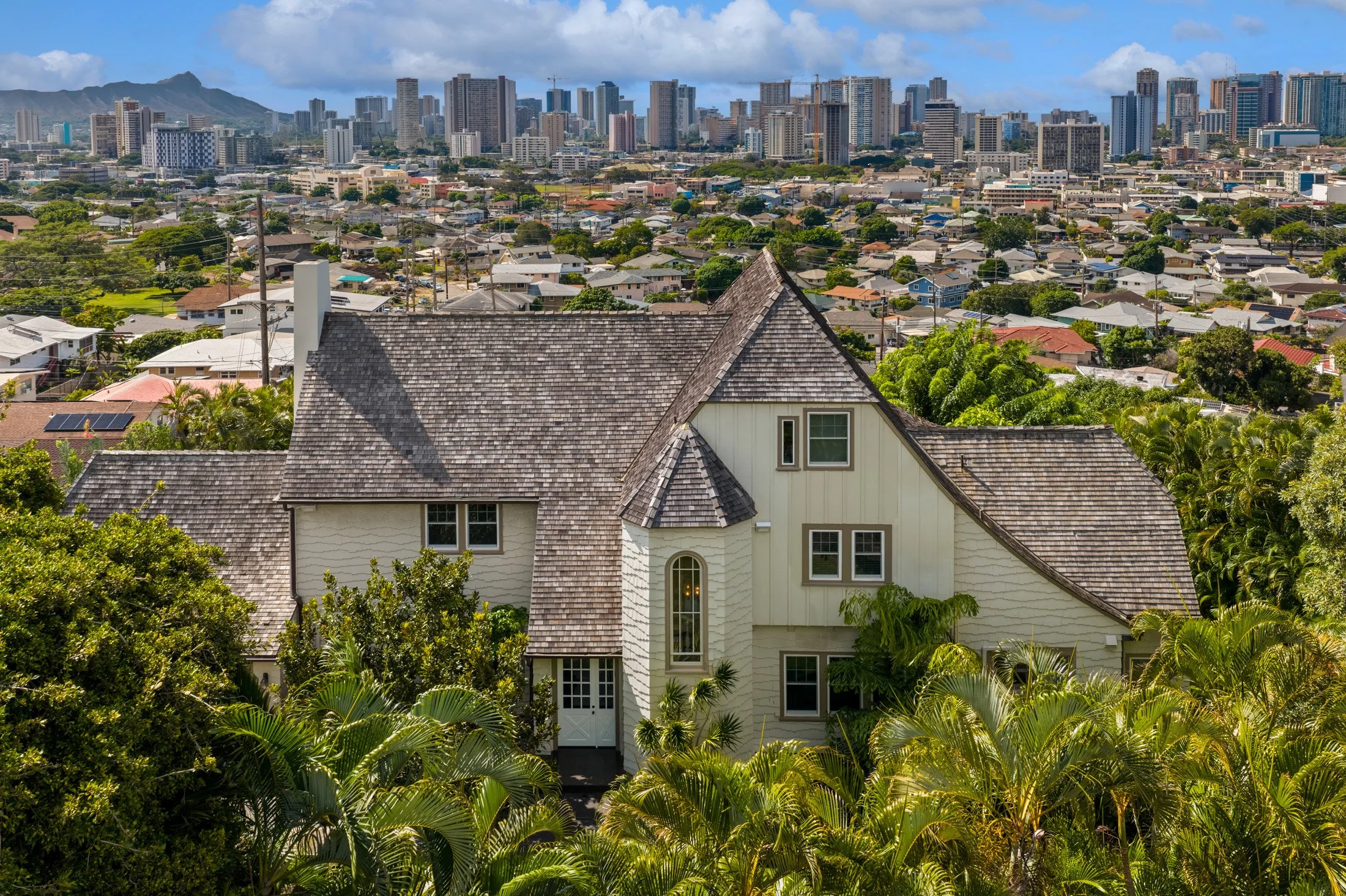
In 1924, architect Hart Wood, one of the defining figures of Hawai‘i Regionalism, designed Āhuimanu for a Honolulu physician. The commission gave him a rare opportunity to work without constraint: over an acre of hillside land, a formal approach through gardens, and the ability to integrate climate-responsive design from the ground up.
Architecture in Context
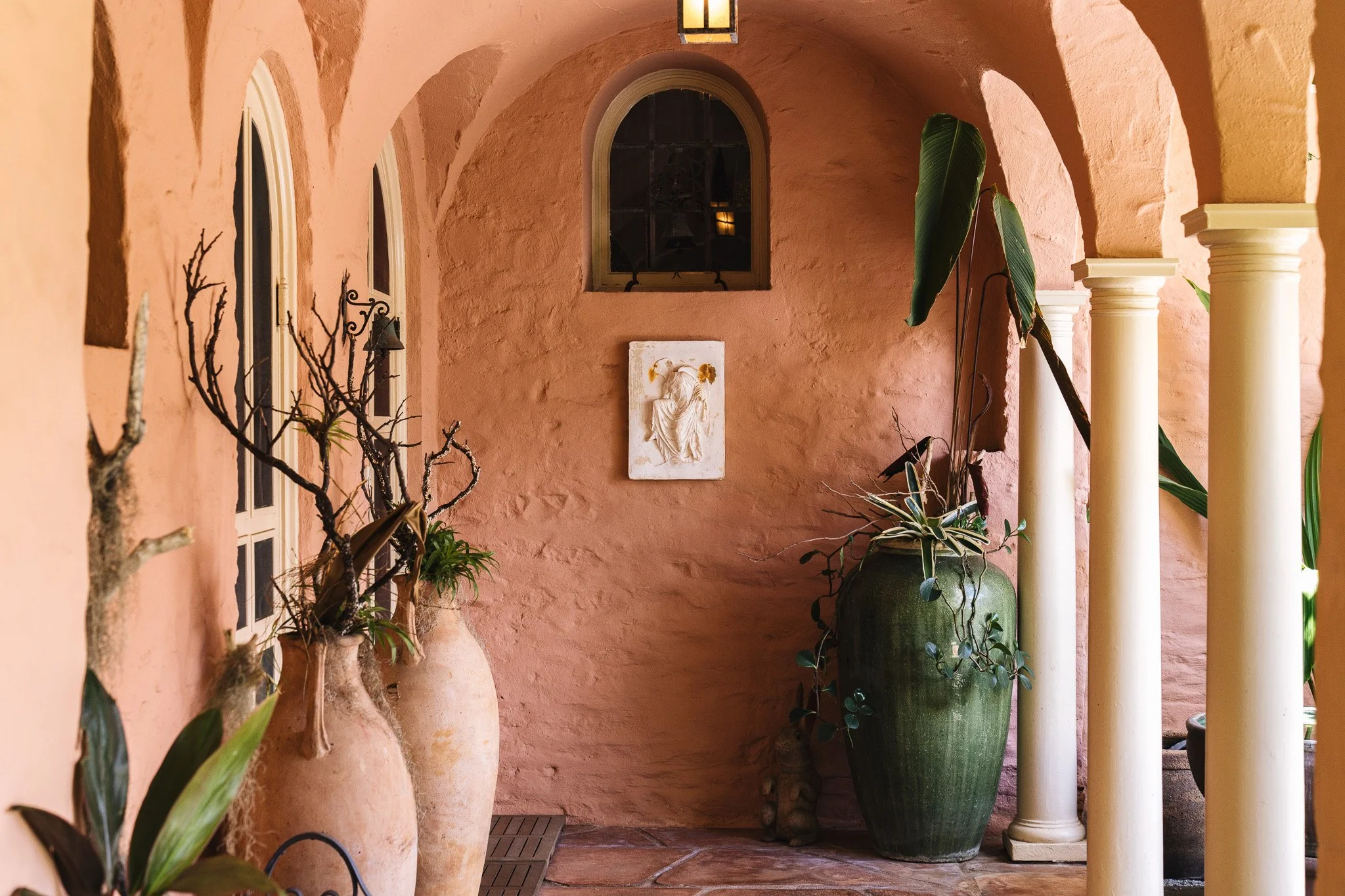
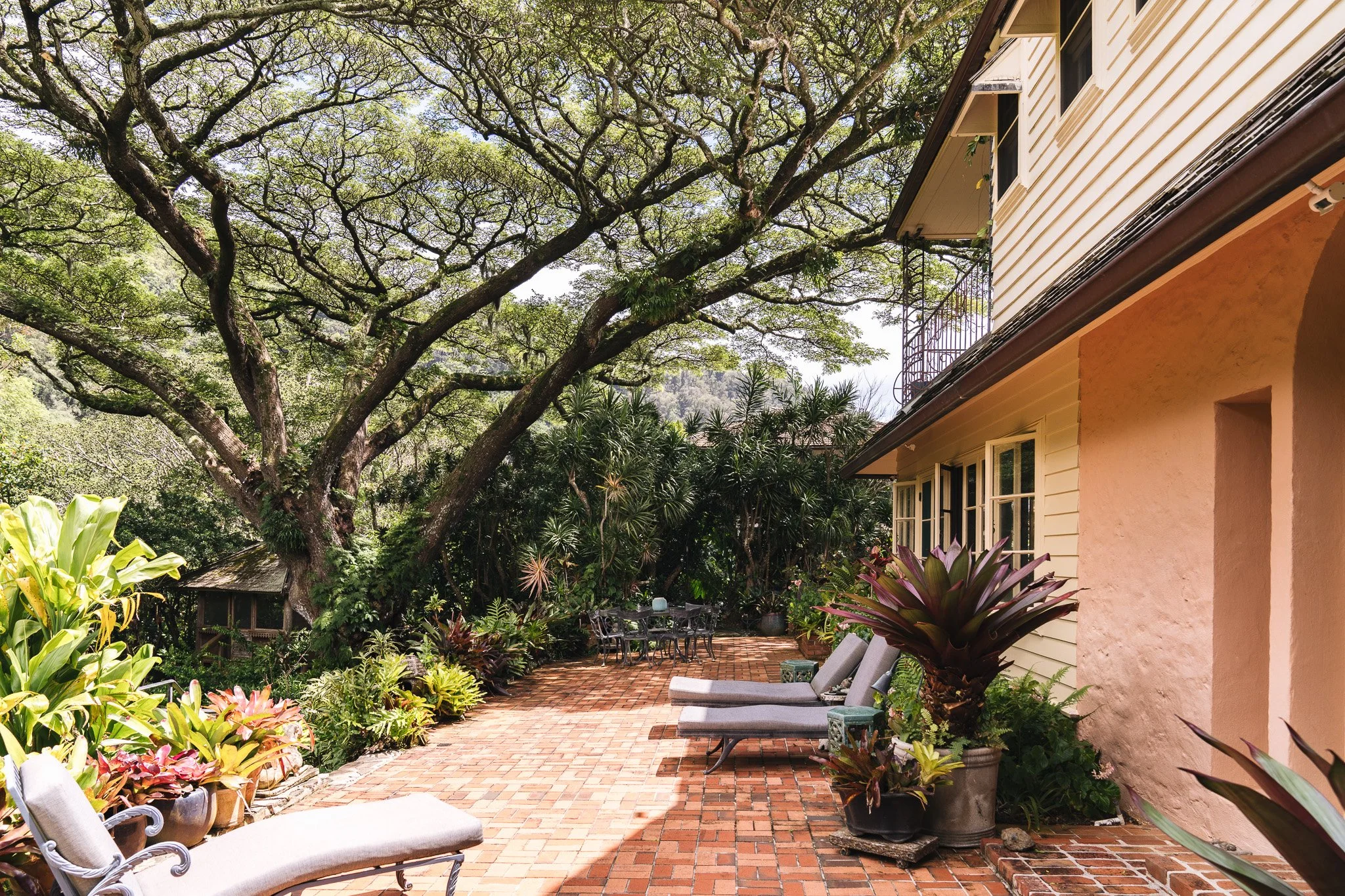
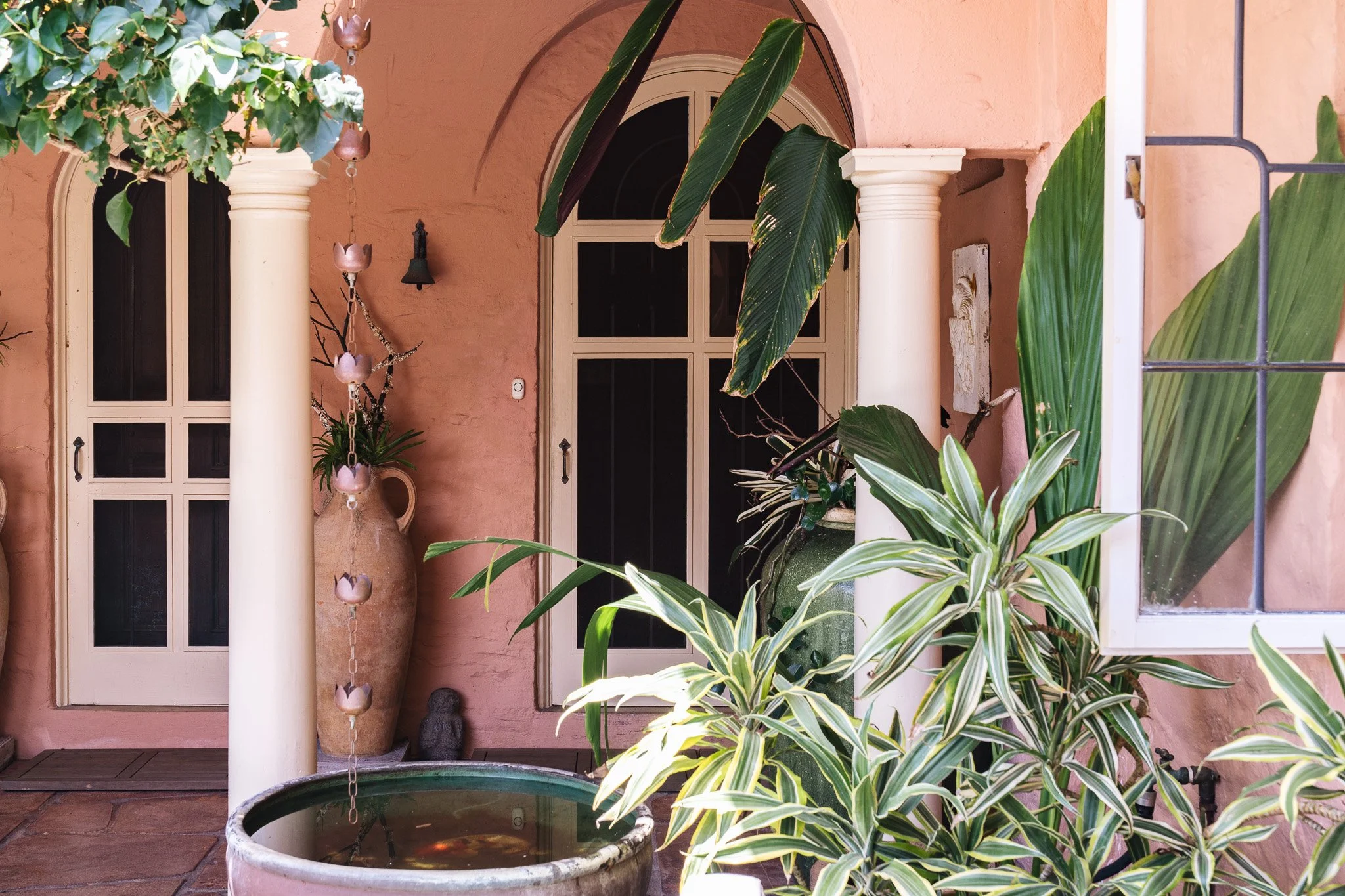
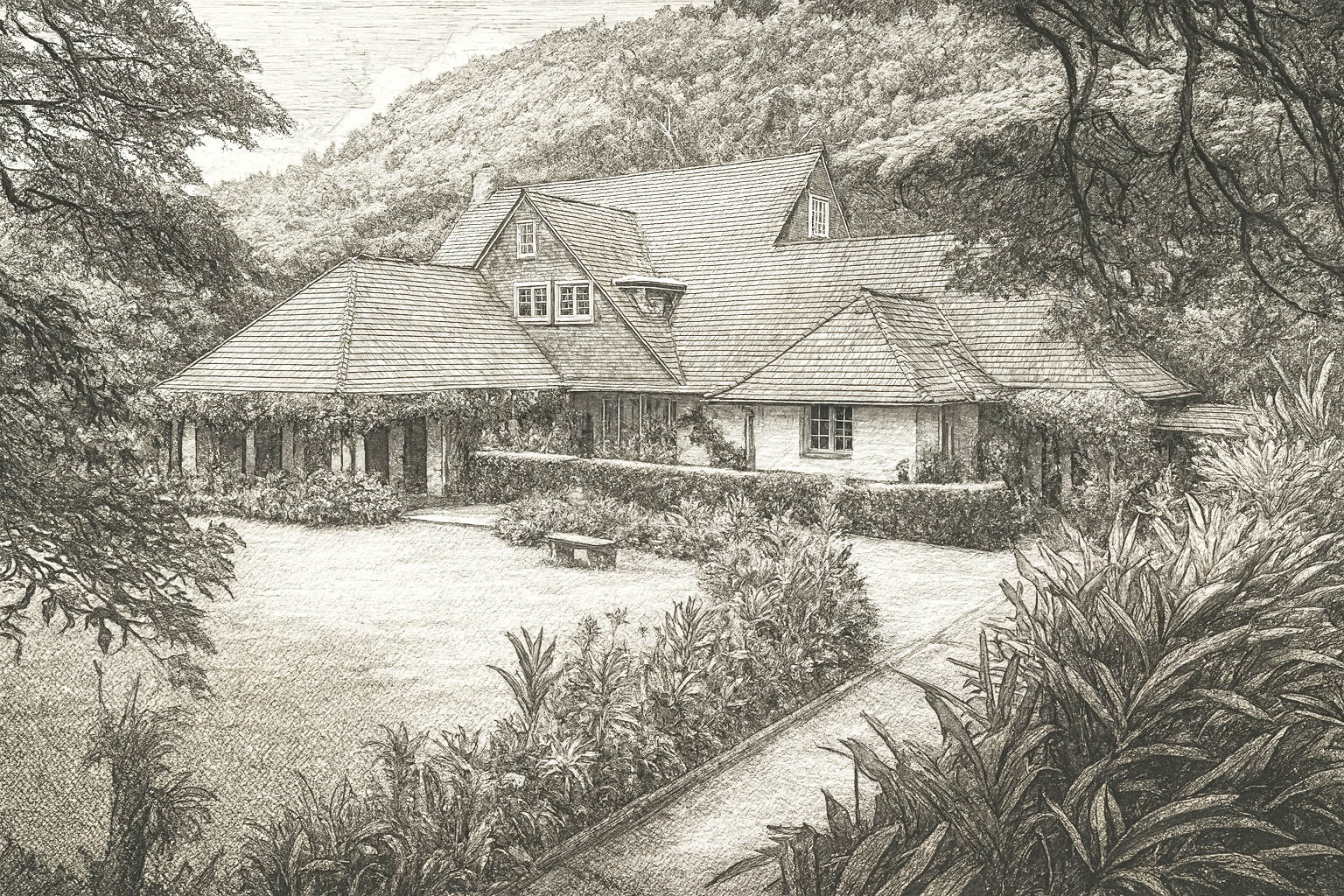
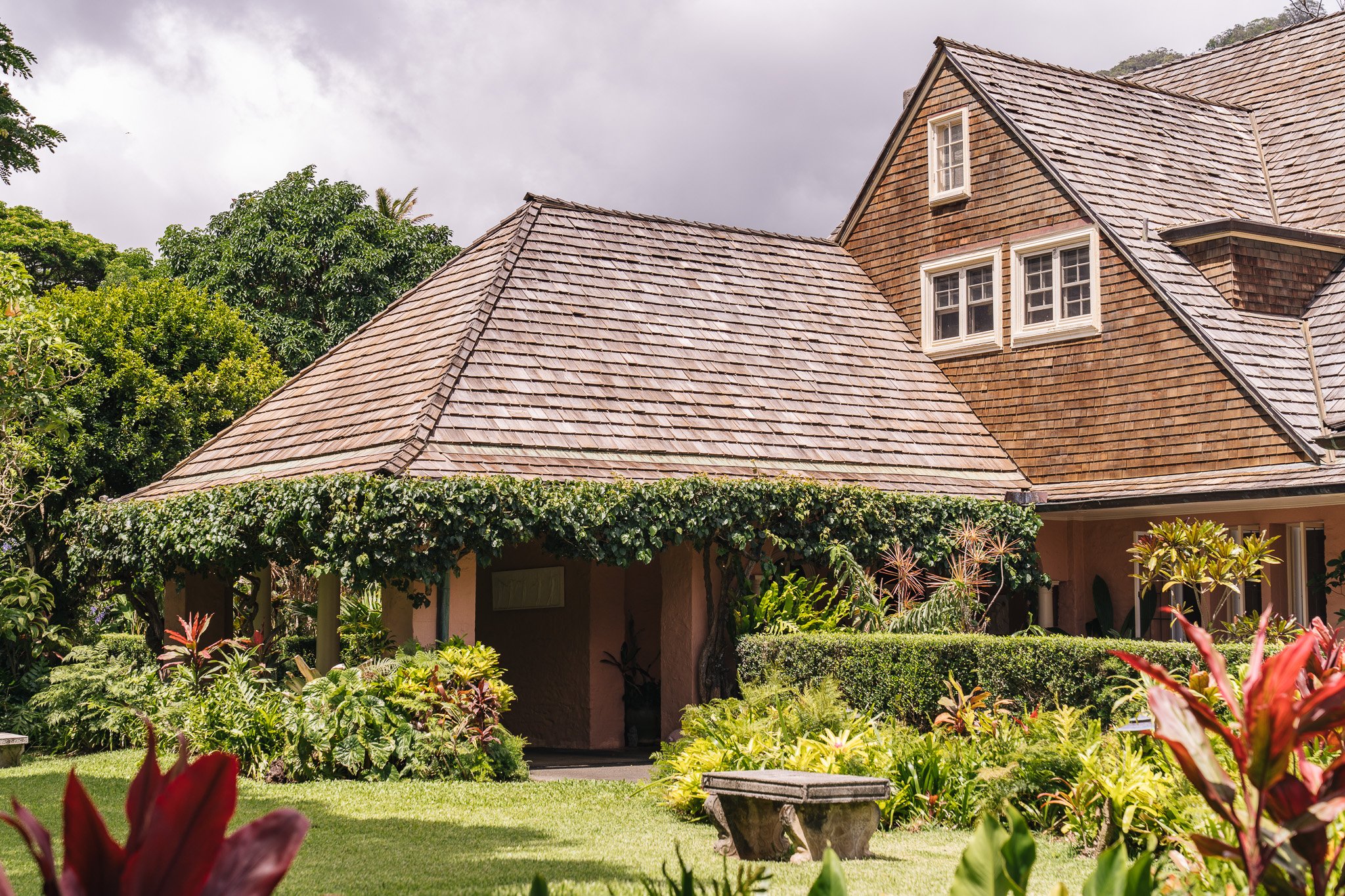
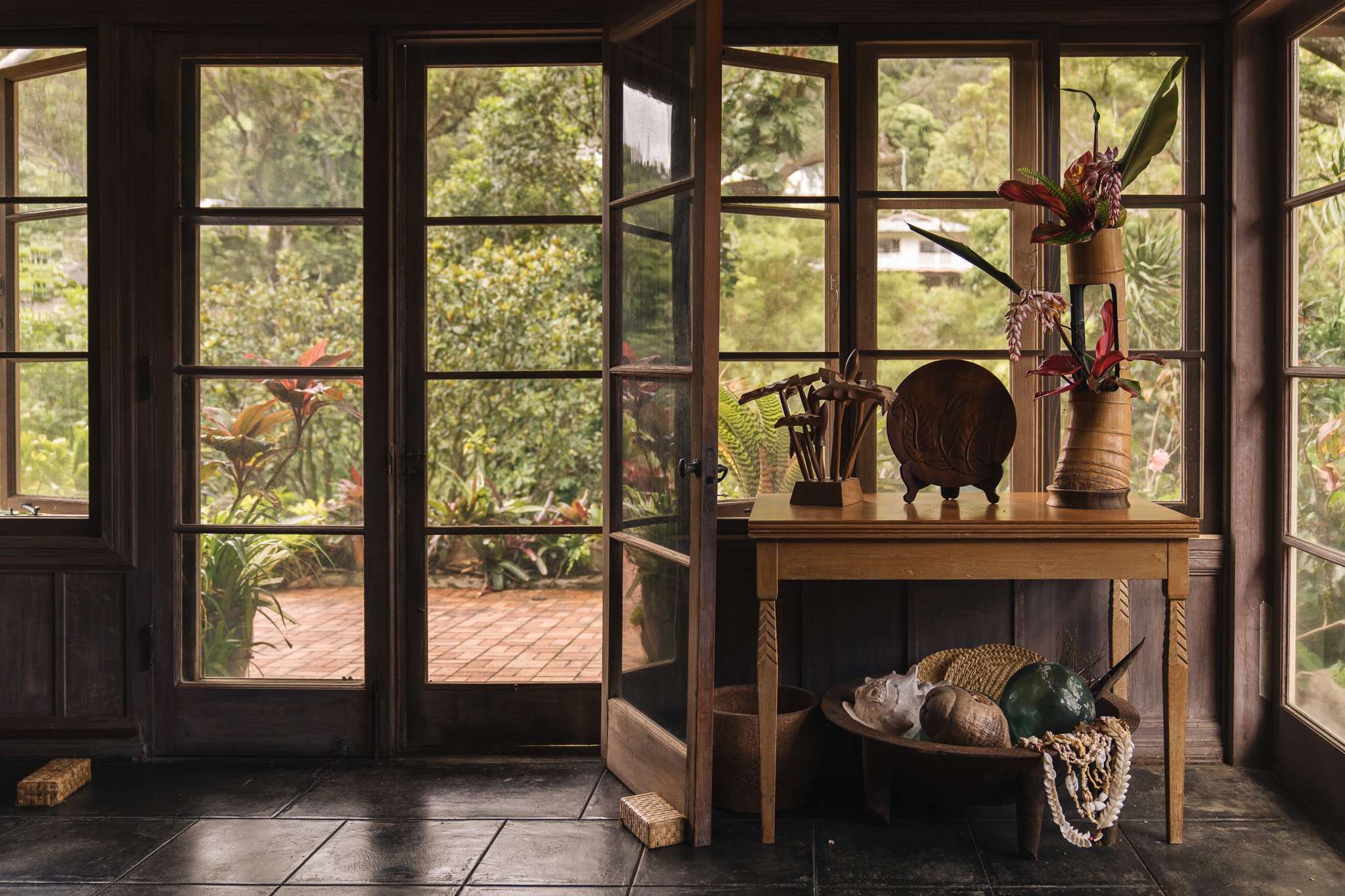
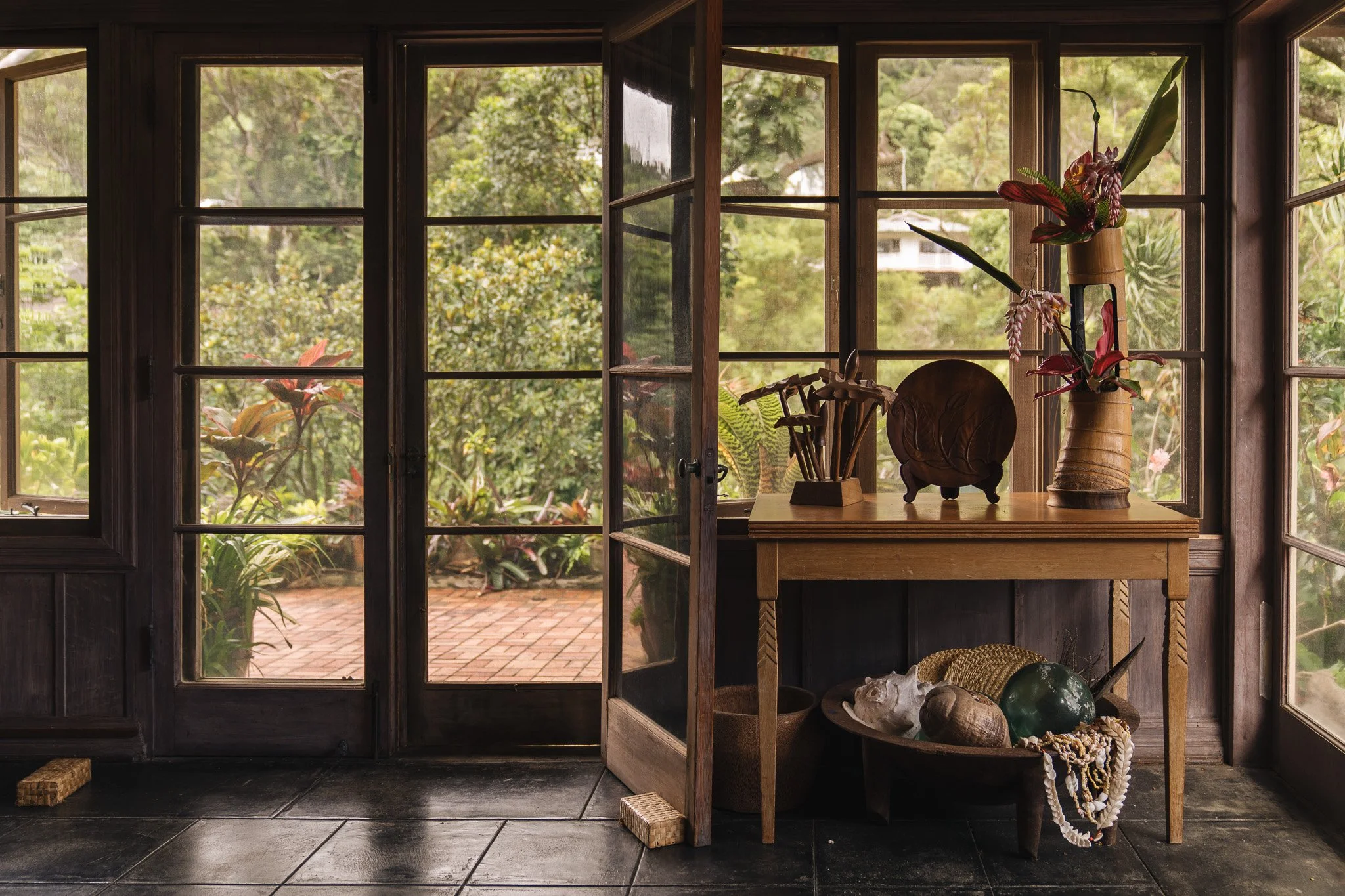
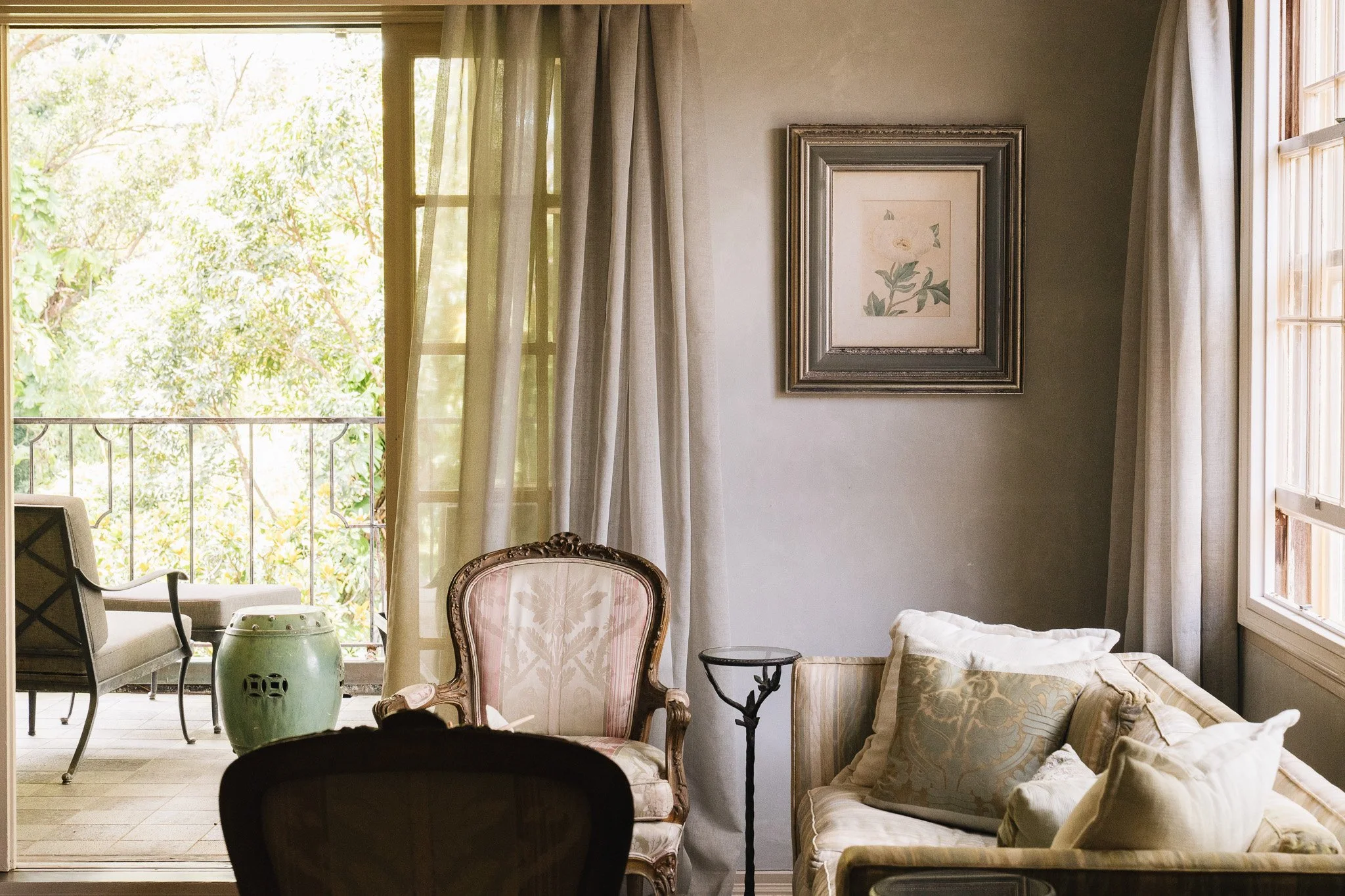
Wood’s design brought permanence and openness into balance. A steep roof pitch shed tropical rain, while broad eaves shaded walls and windows from the sun. Masonry and plaster held interiors cool, while windows and lanais opened to the landscape. The result blended Mediterranean form with an island sensibility, and a lasting example of Hawai‘i Regionalism.
-
Born in Philadelphia in 1880, Wood arrived in Honolulu in 1919 and, with Charles Dickey, helped establish a Hawaiian regional style through landmarks like Honolulu Hale and the Alexander & Baldwin Building. His independent practice carried that vision forward in designs such as Spalding House and the Chinese Christian Church, blending Western traditions with Asian influences. Among his residential works is Āhuimanu at 141 Dowsett Avenue (1924), a home that reflects his vision of place-based architecture—balancing classical references with Hawaiian sensibility, and enduring as a true gathering place a century later.
The Dean of Hawai‘i Architects
A Lineage of Stewardship
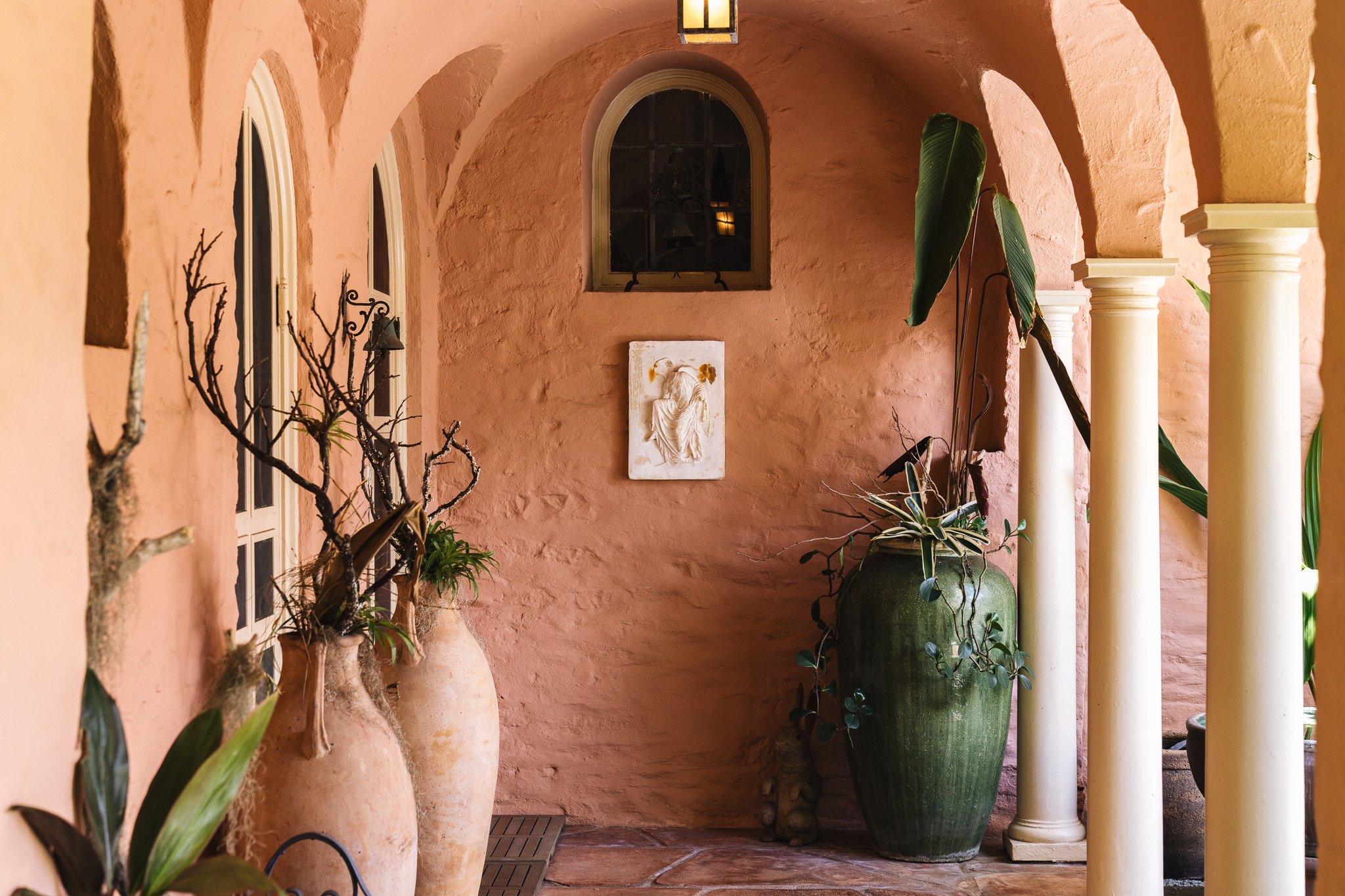
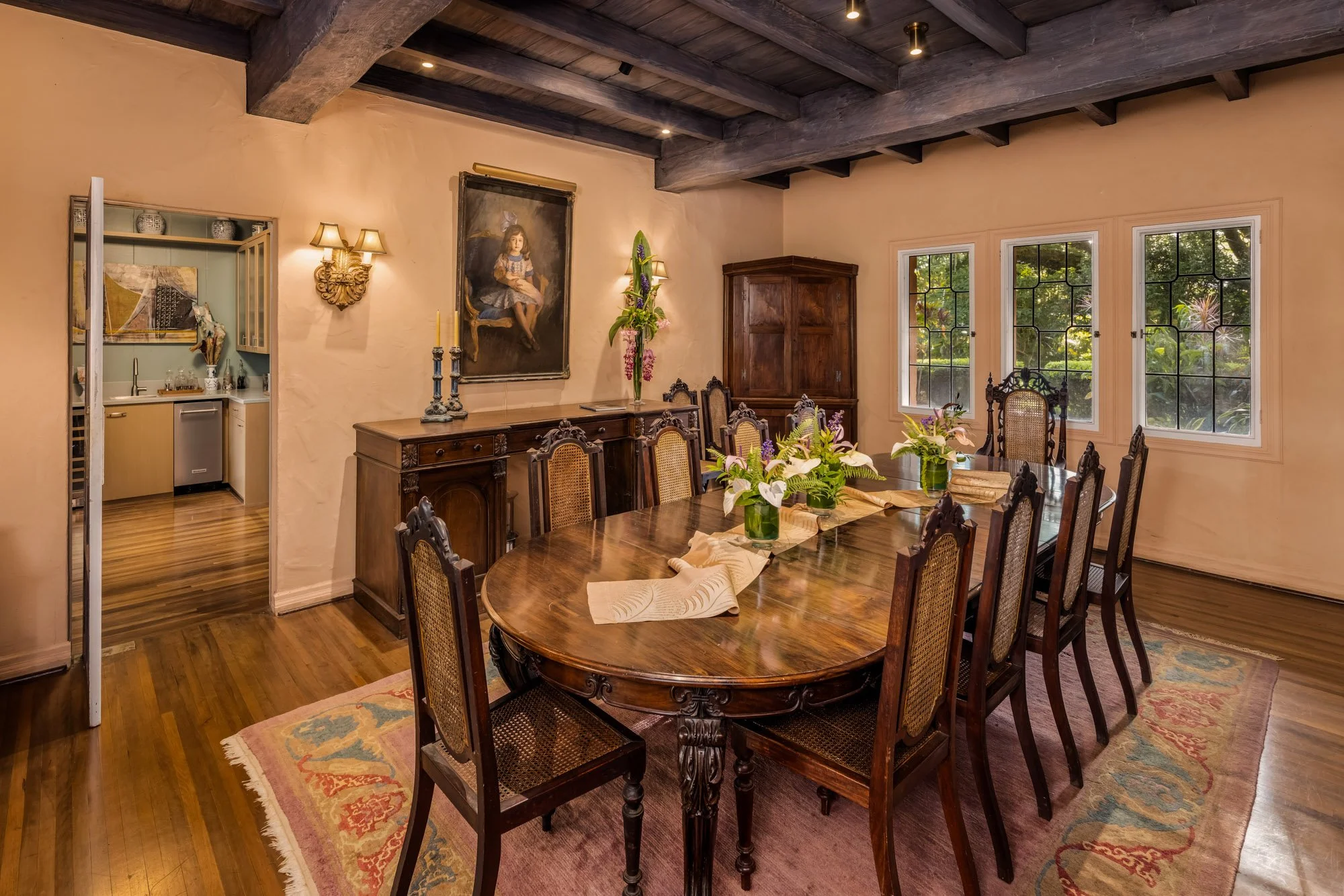
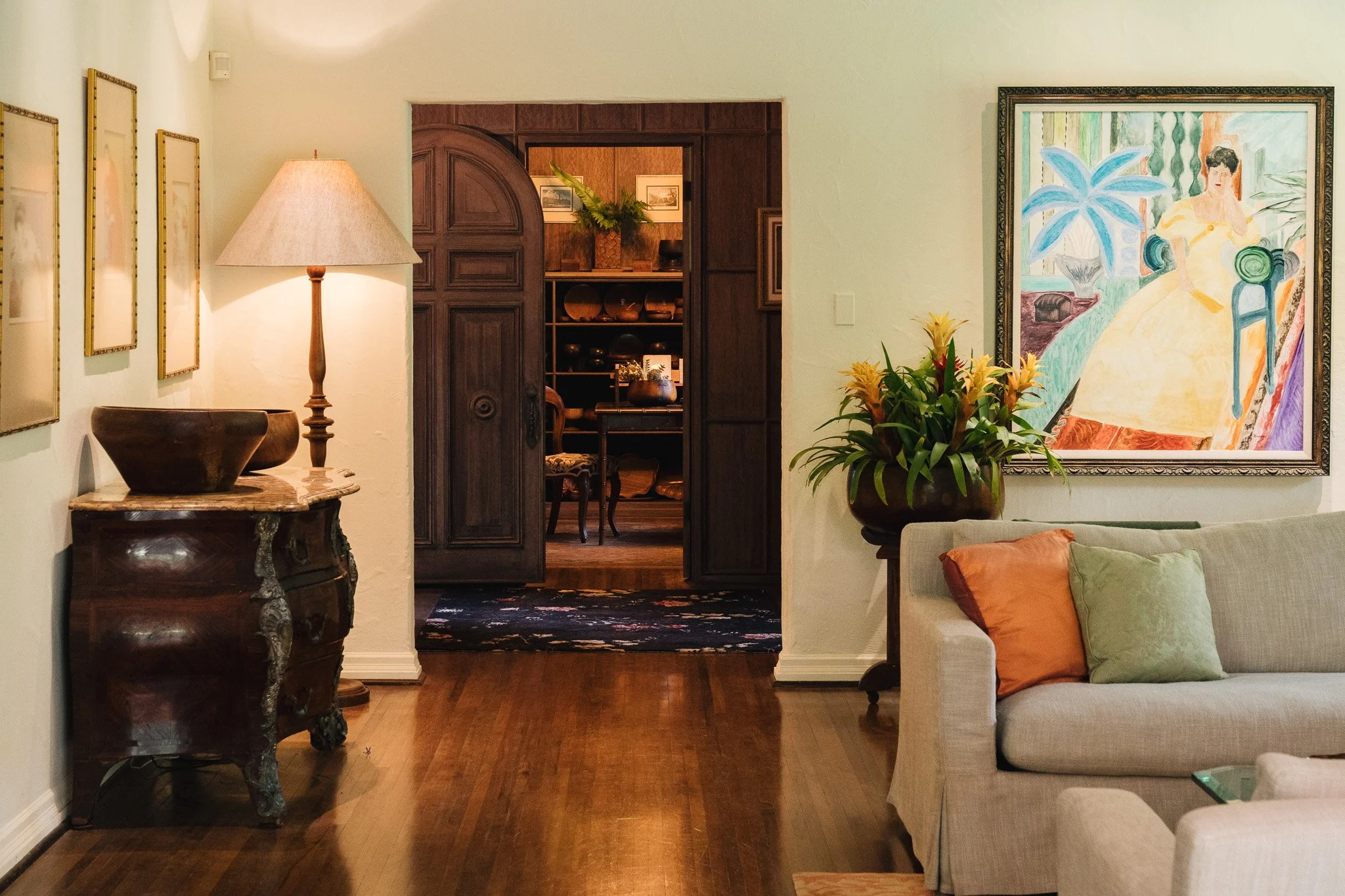
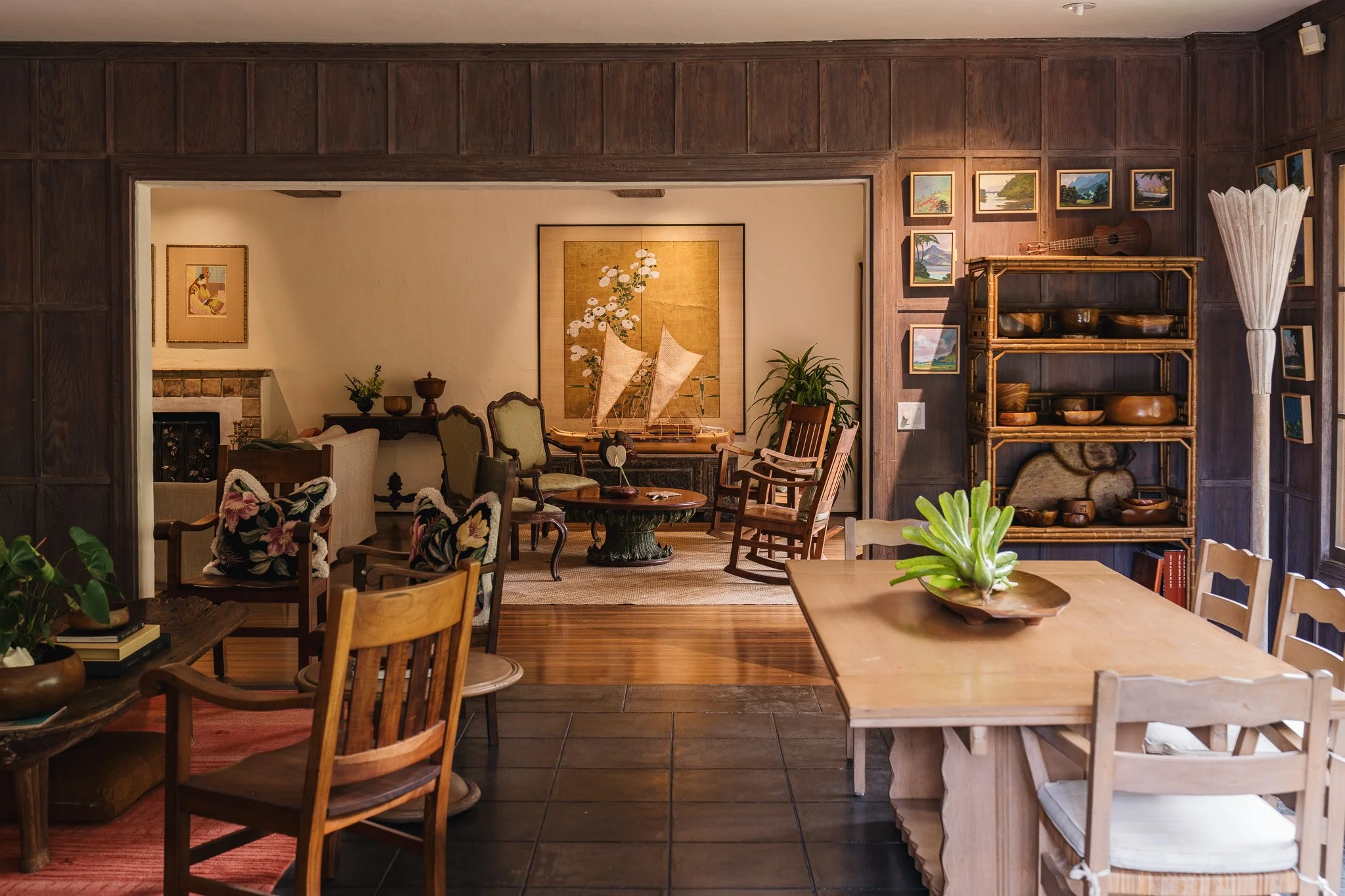
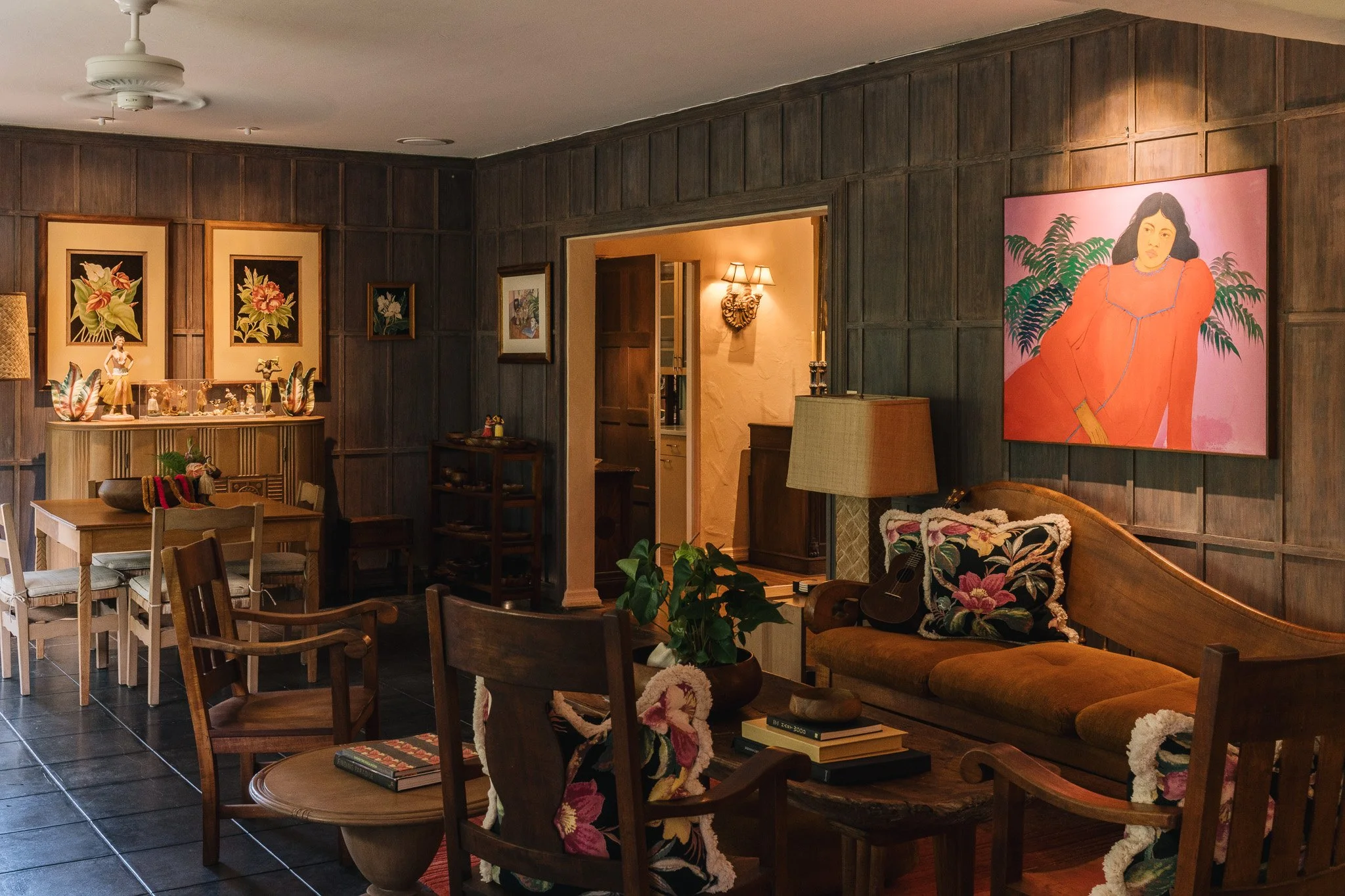
Since its completion, the estate has had only a handful of owners. Each preserved its essential form, including the salmon-colored plaster, the rooflines, the colonnade approach, and the progression from public gathering rooms to private retreats. The house was never preserved as artifact but carried forward as a working home. The proportions remain sound, the rooms function naturally, and the layout still suits contemporary life.
A Legendary Designer’s Family Home
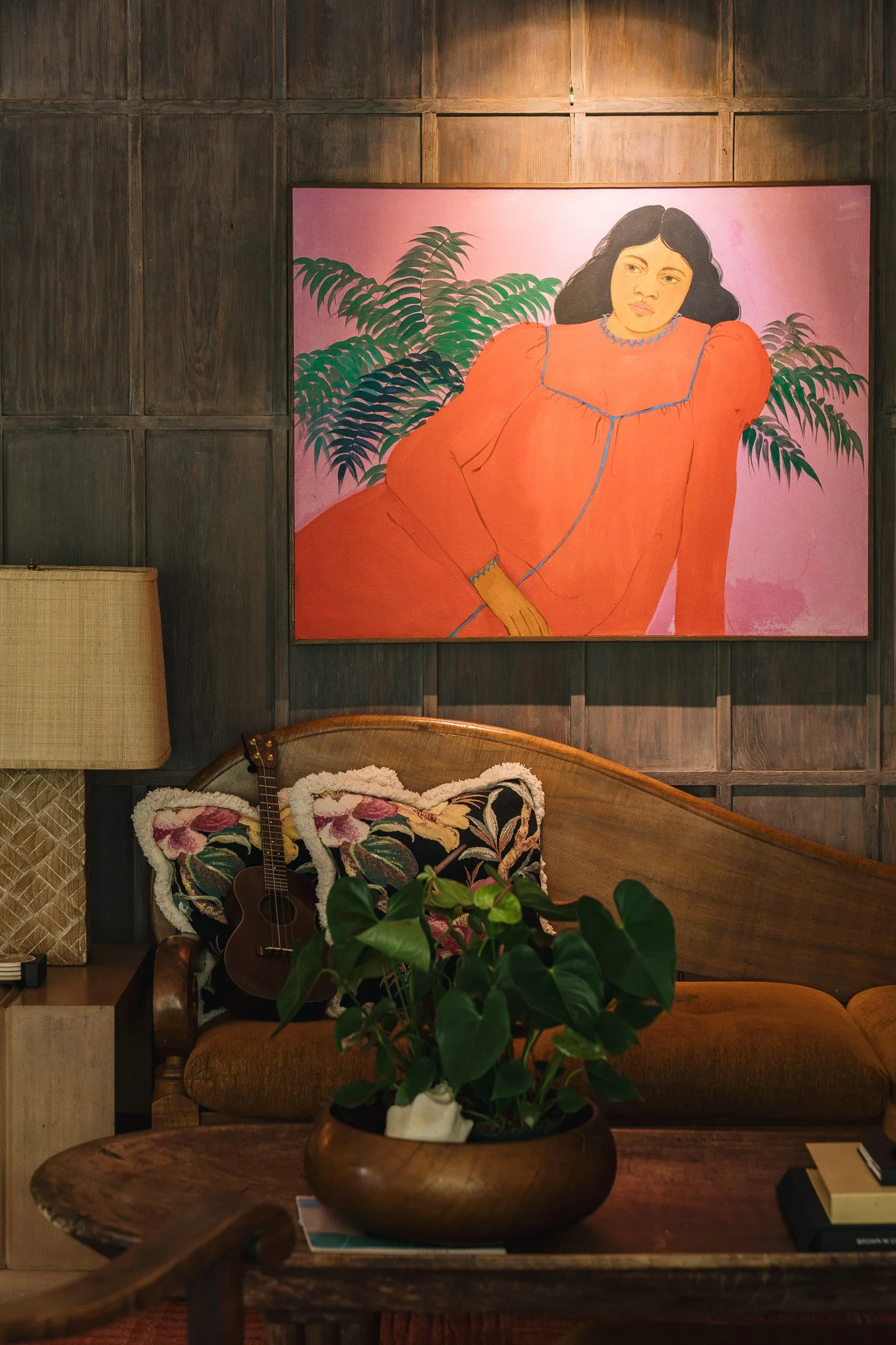
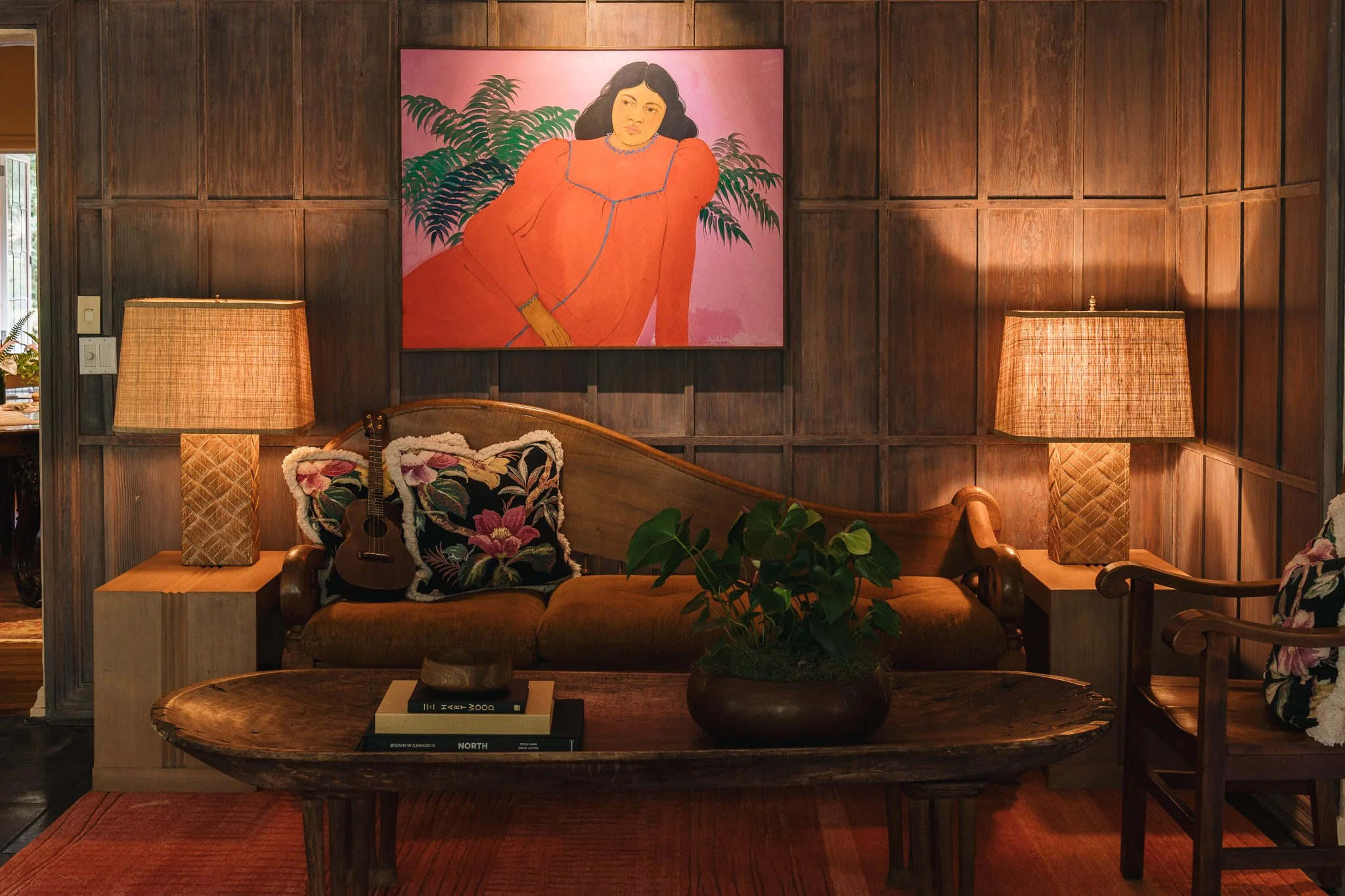
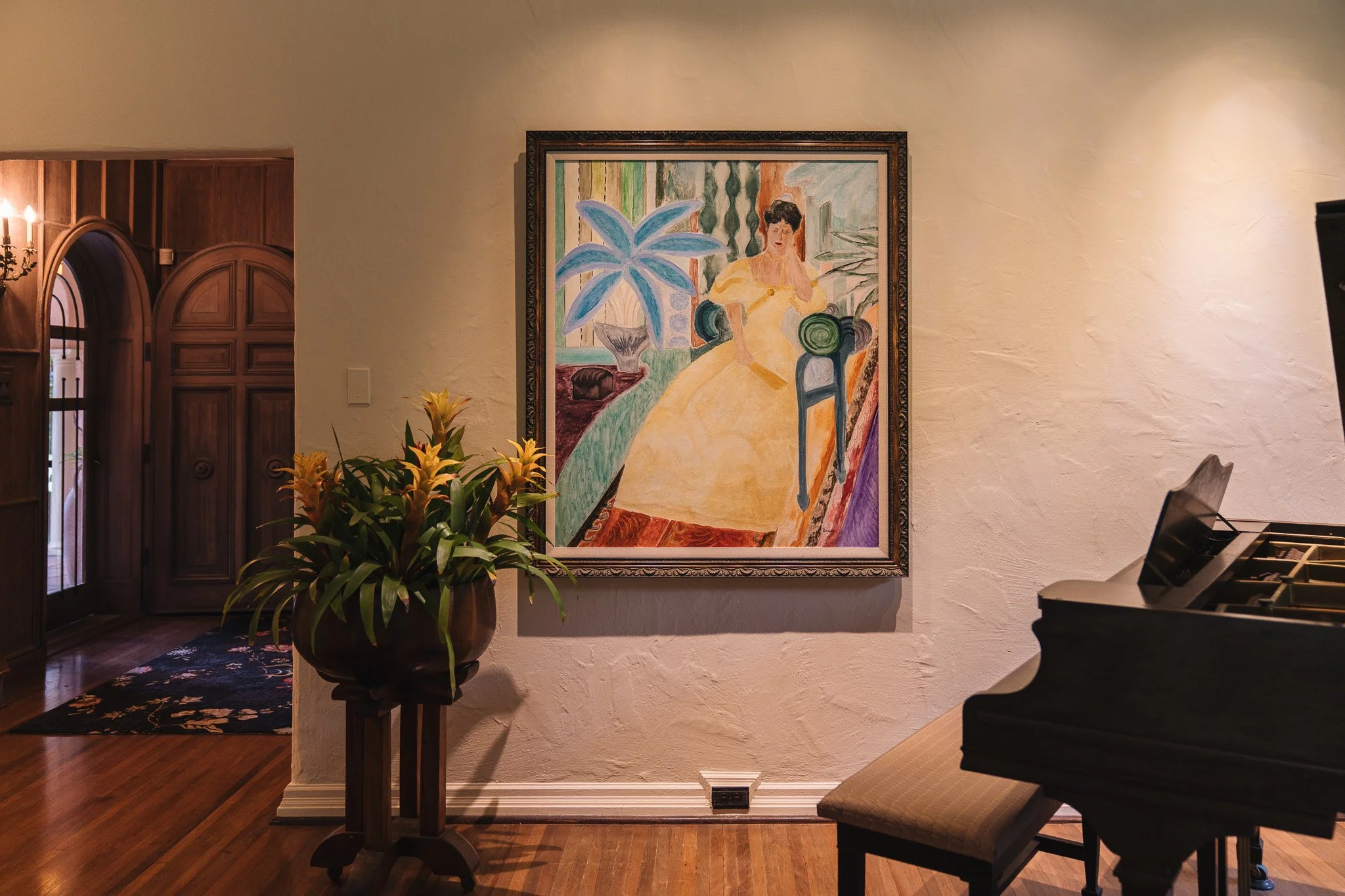
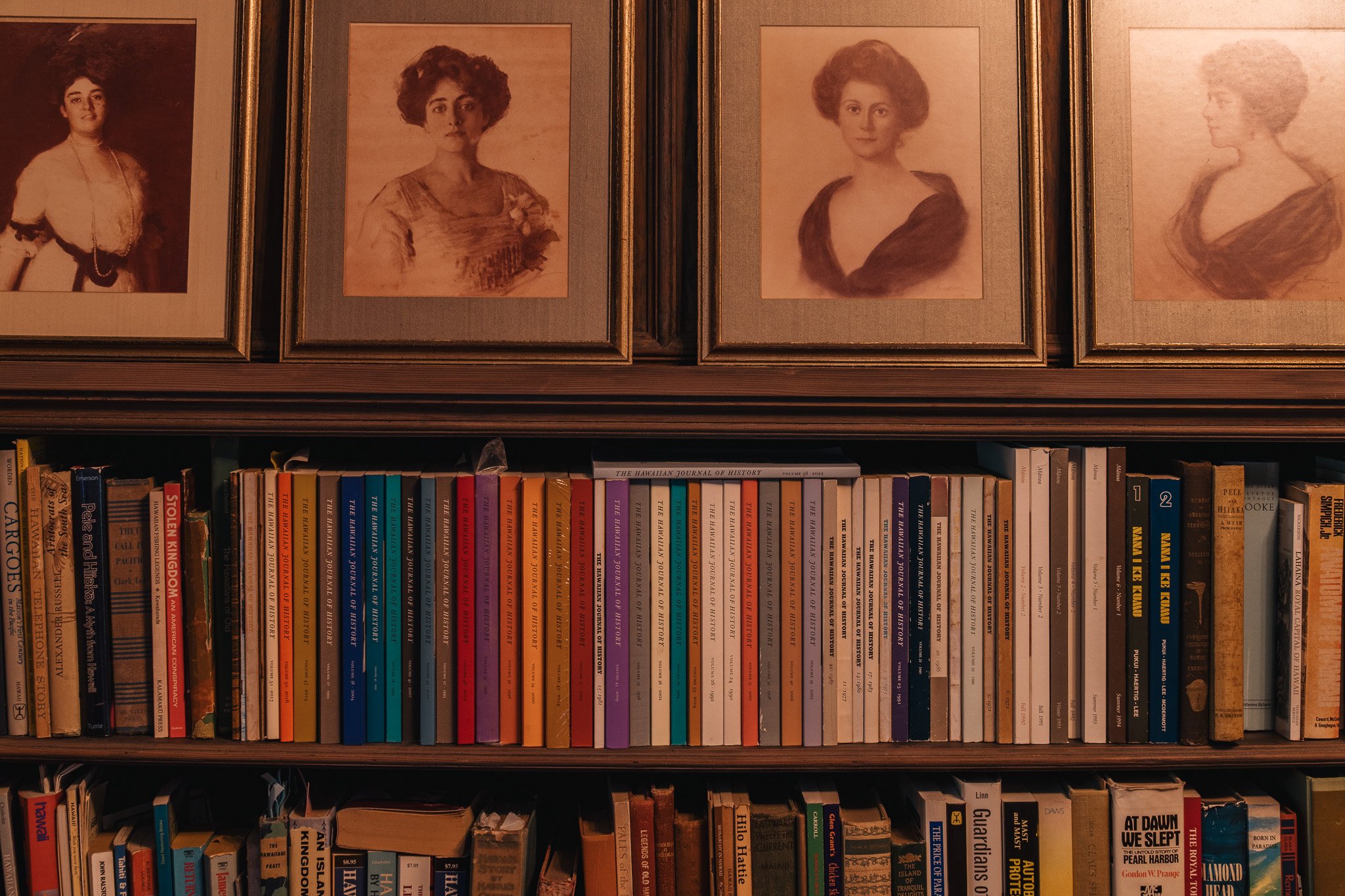
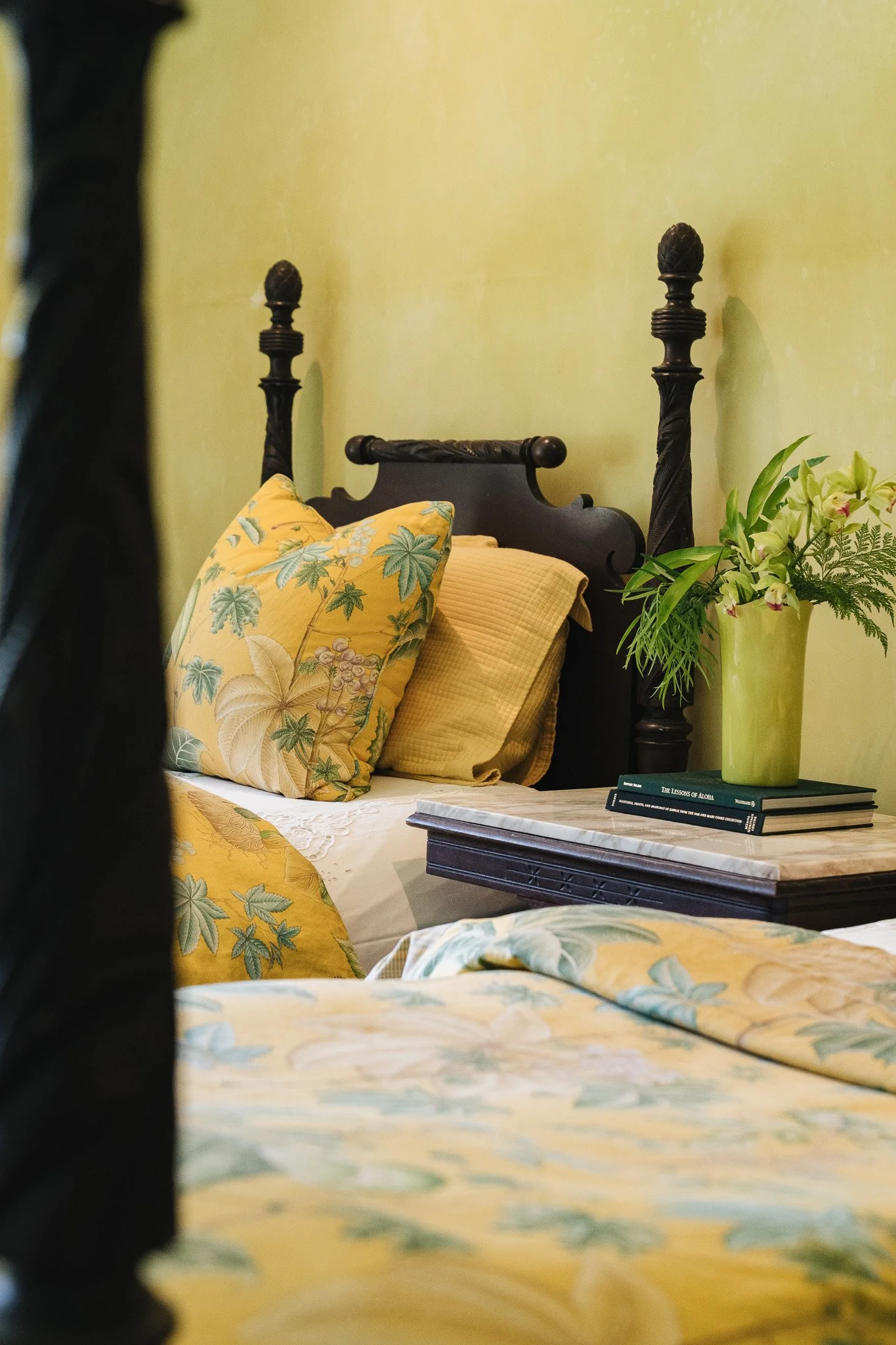
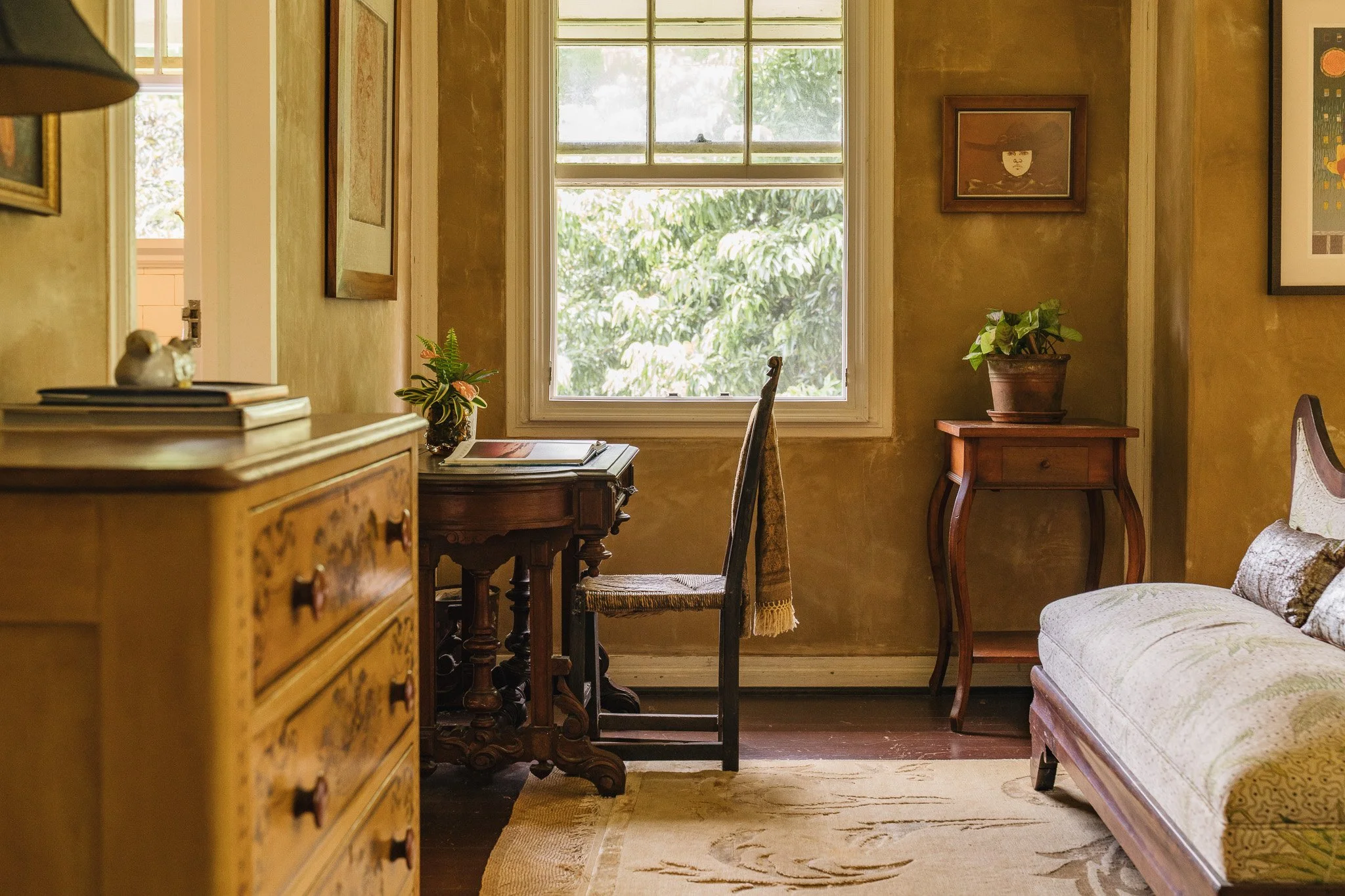
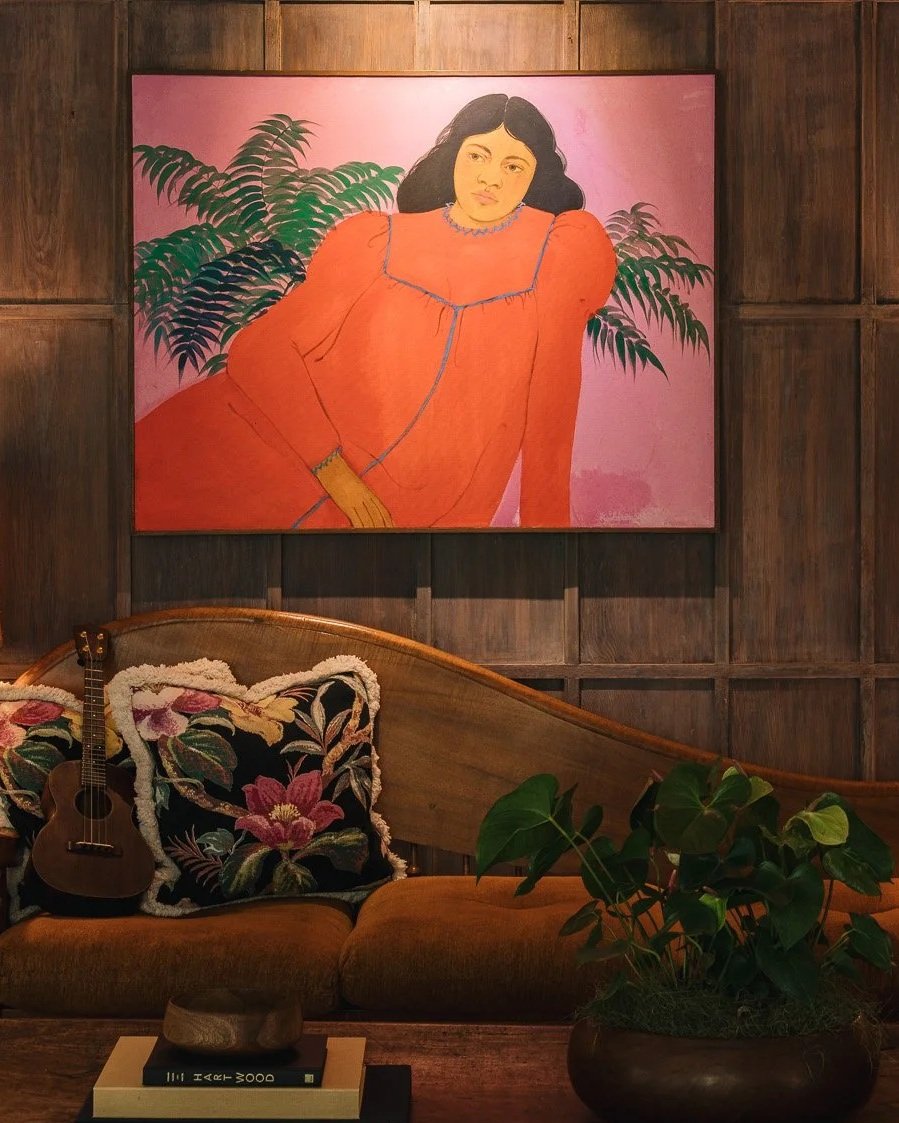
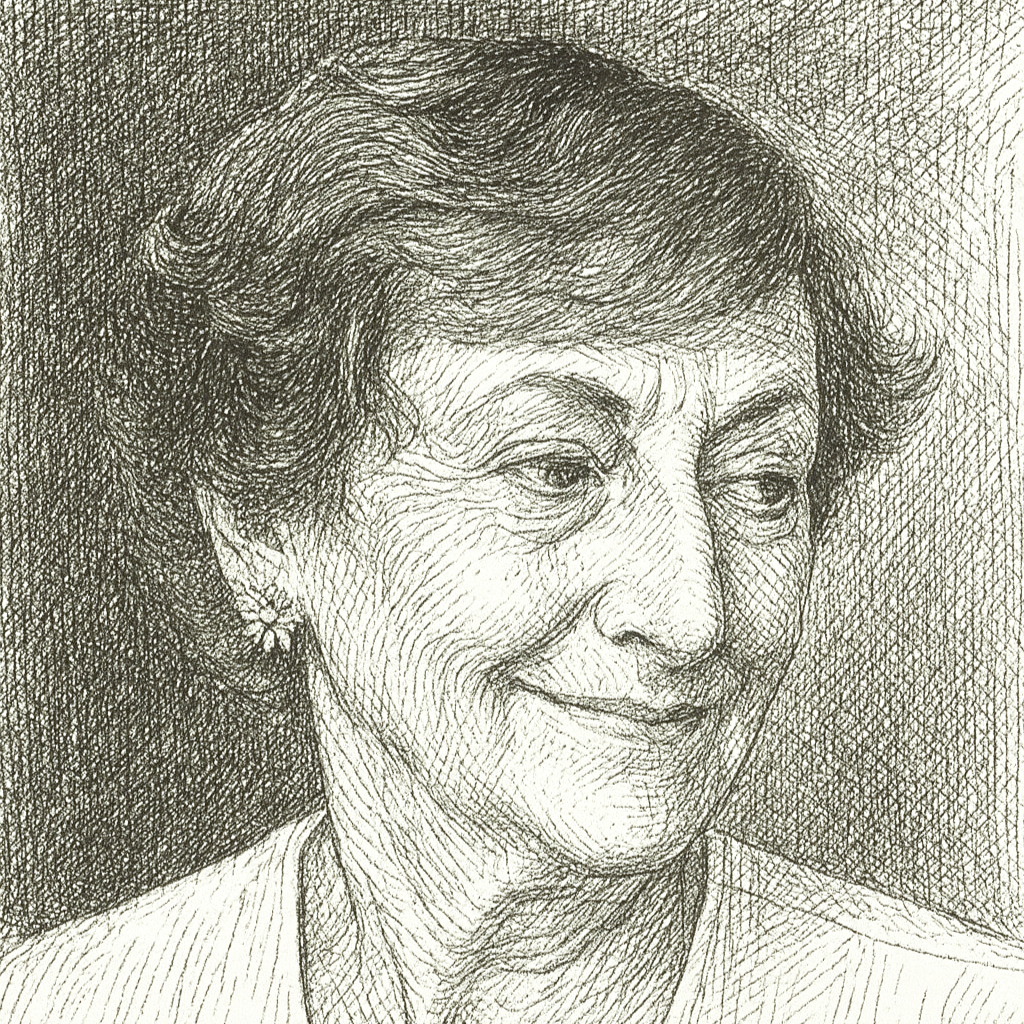
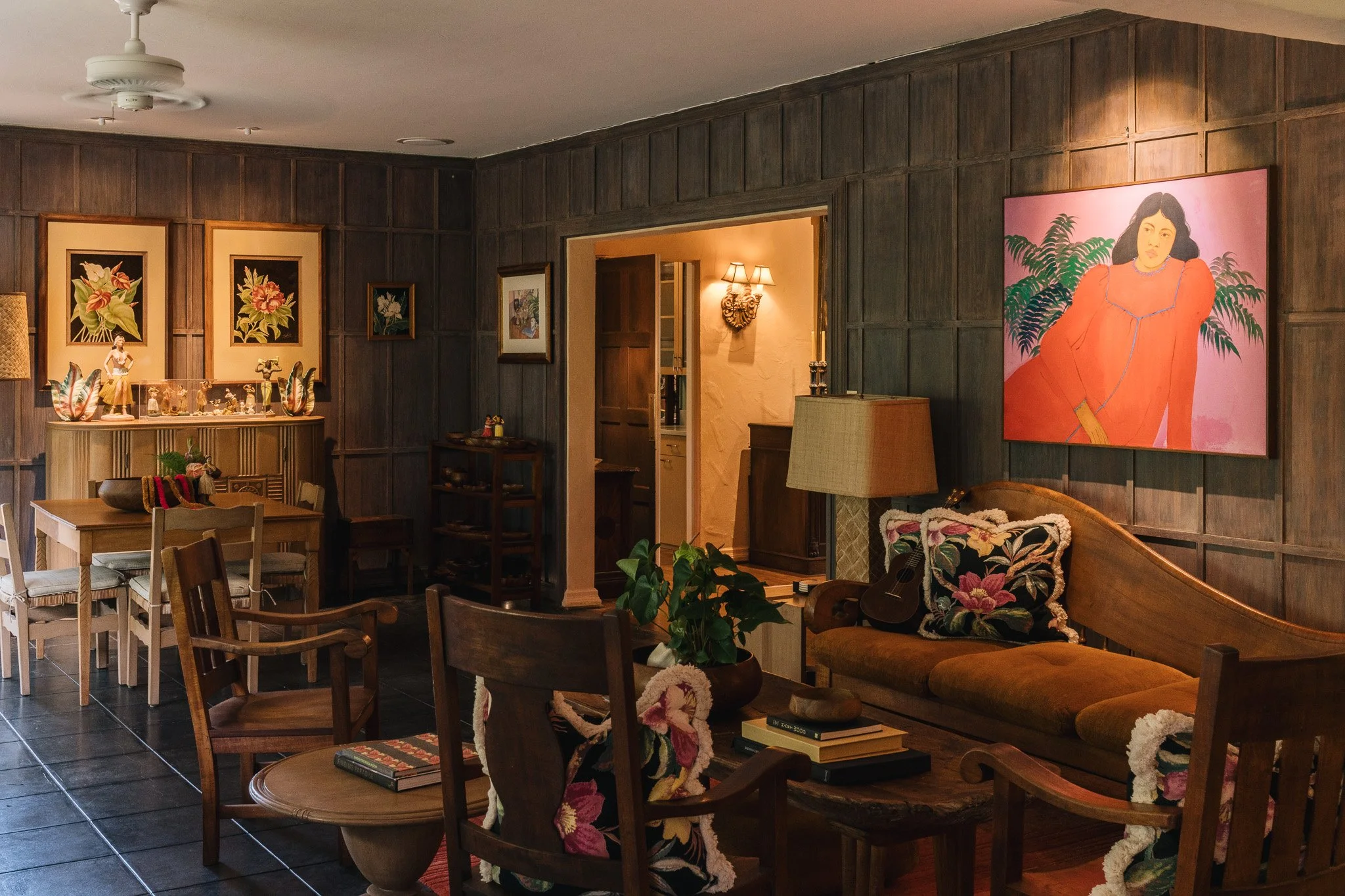
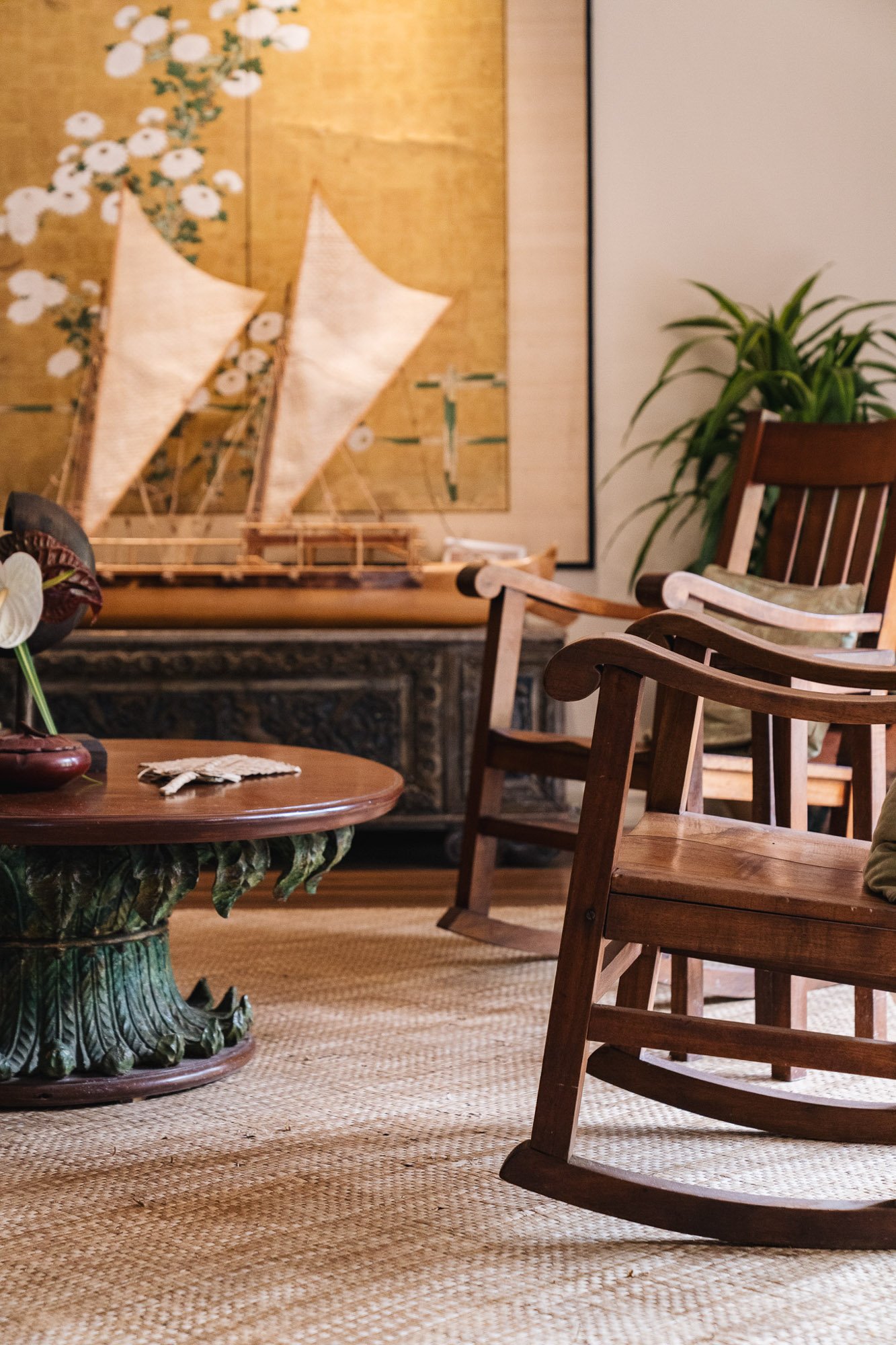
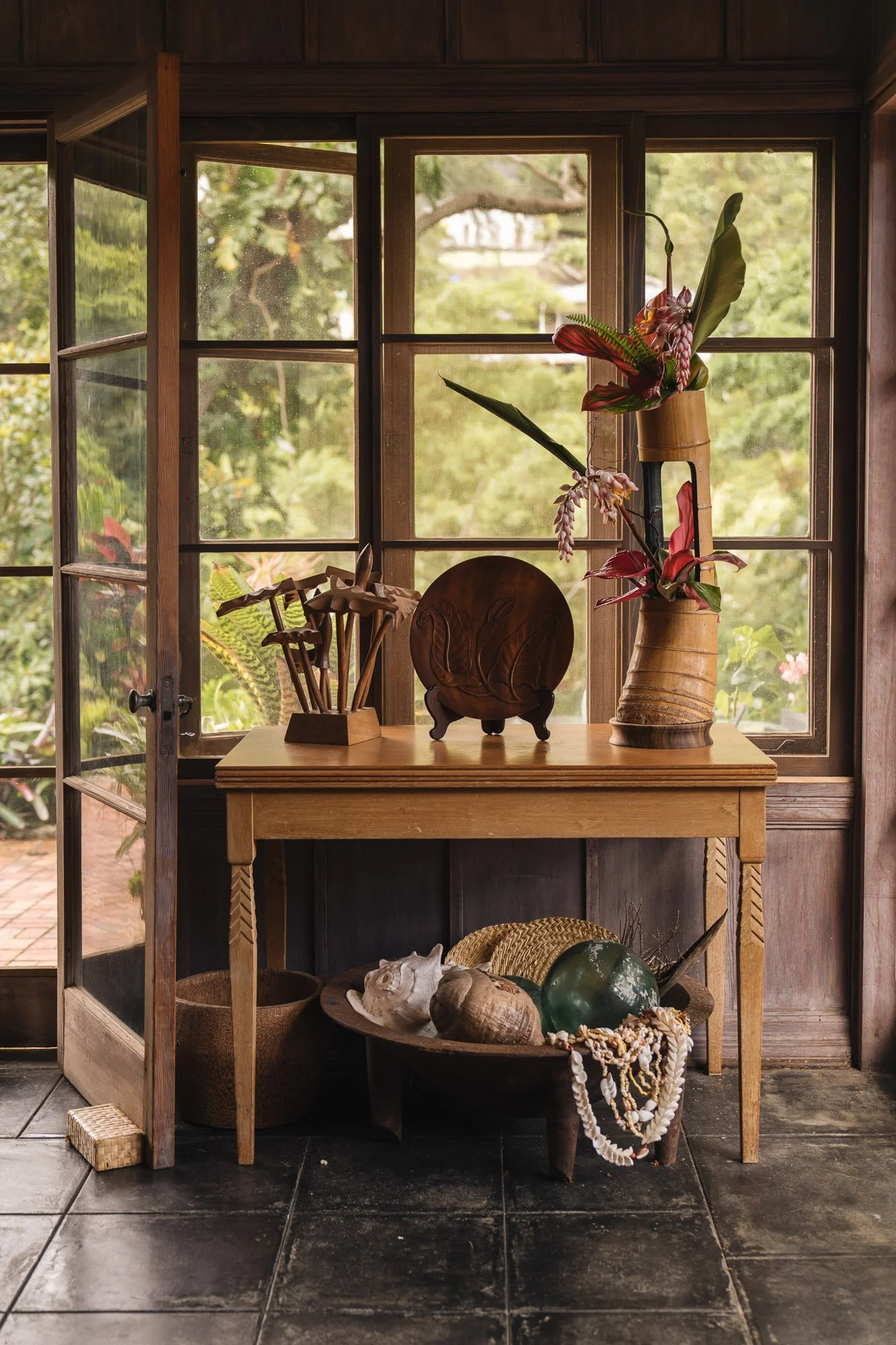
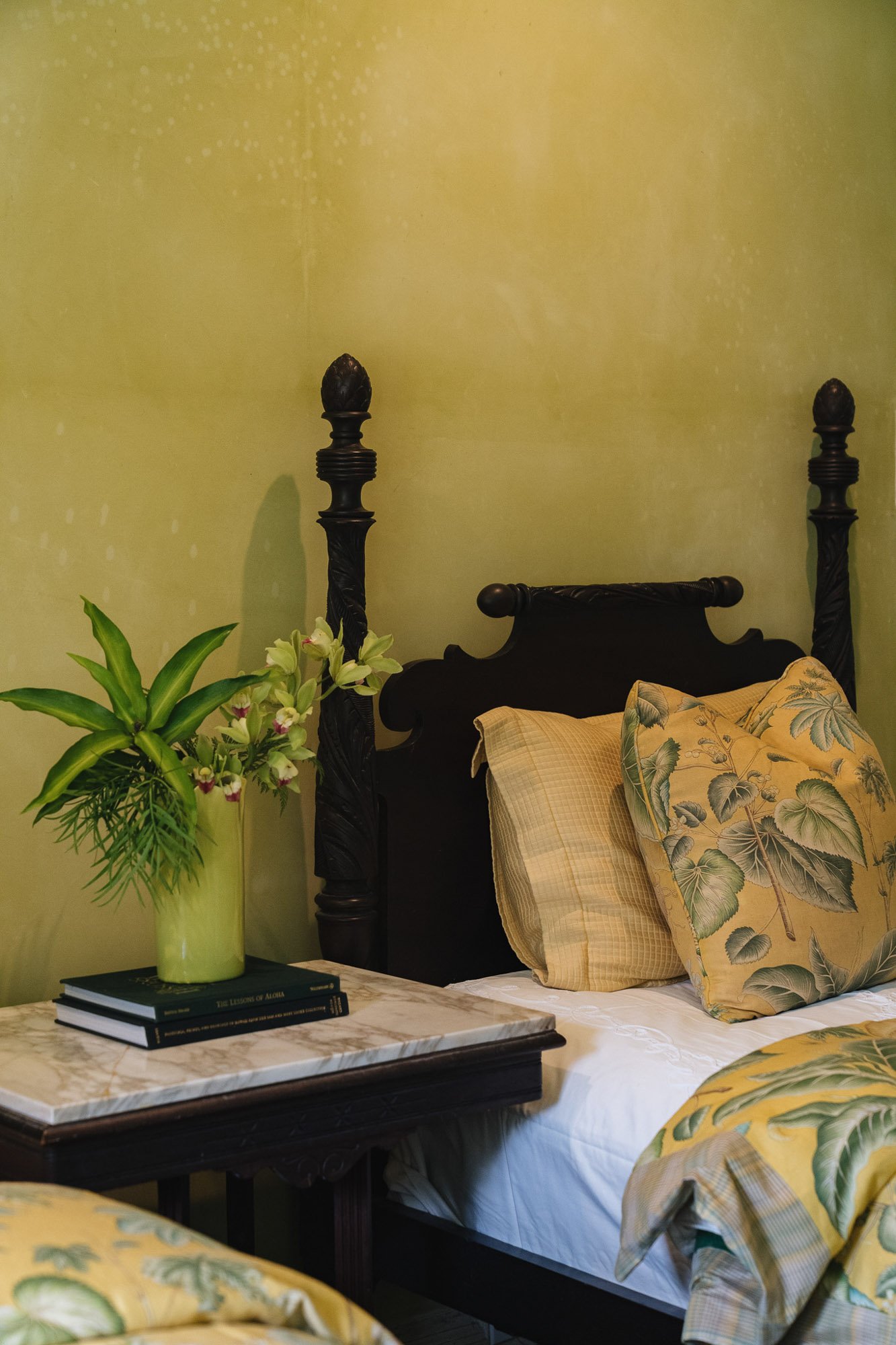
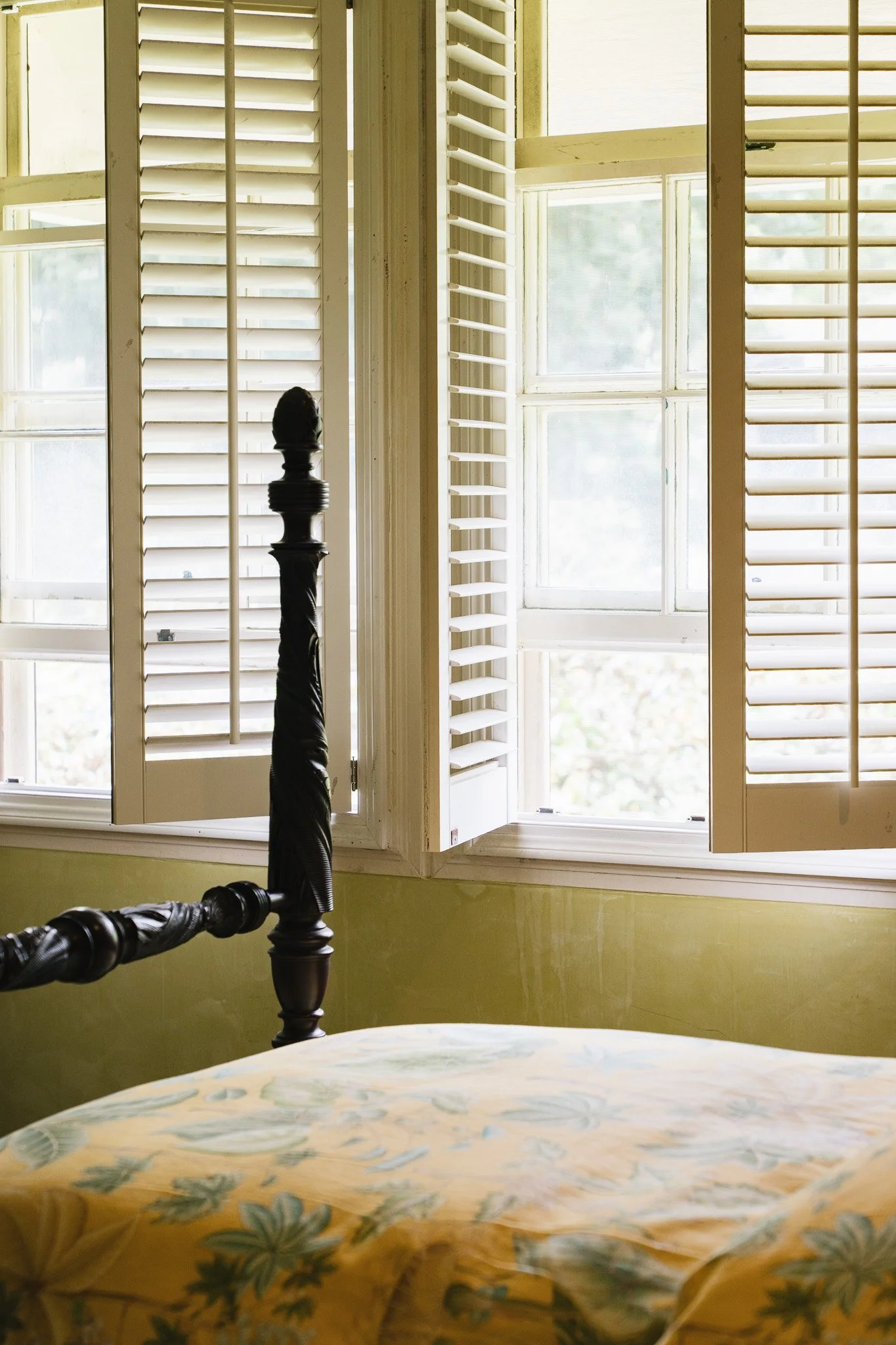
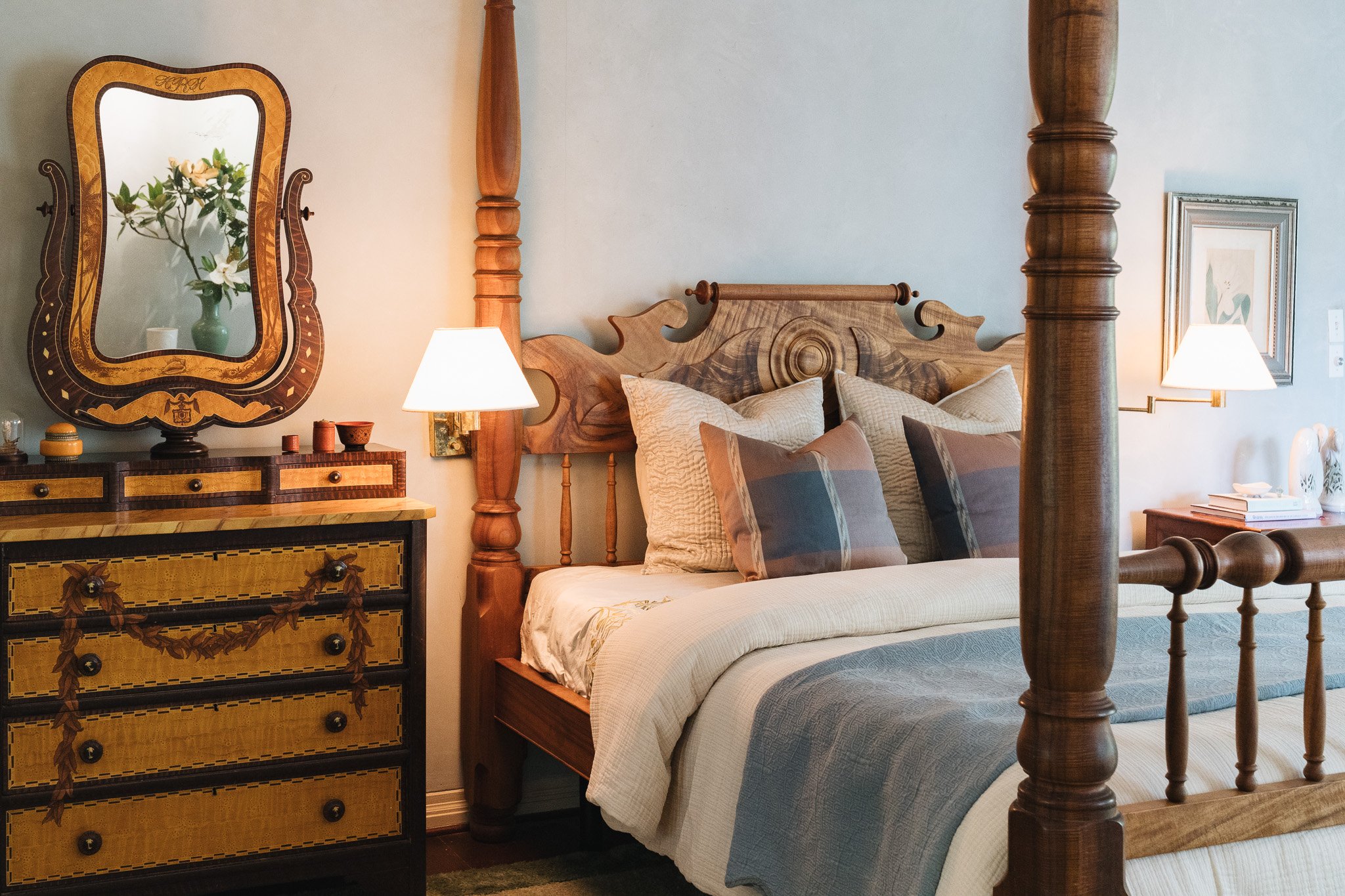
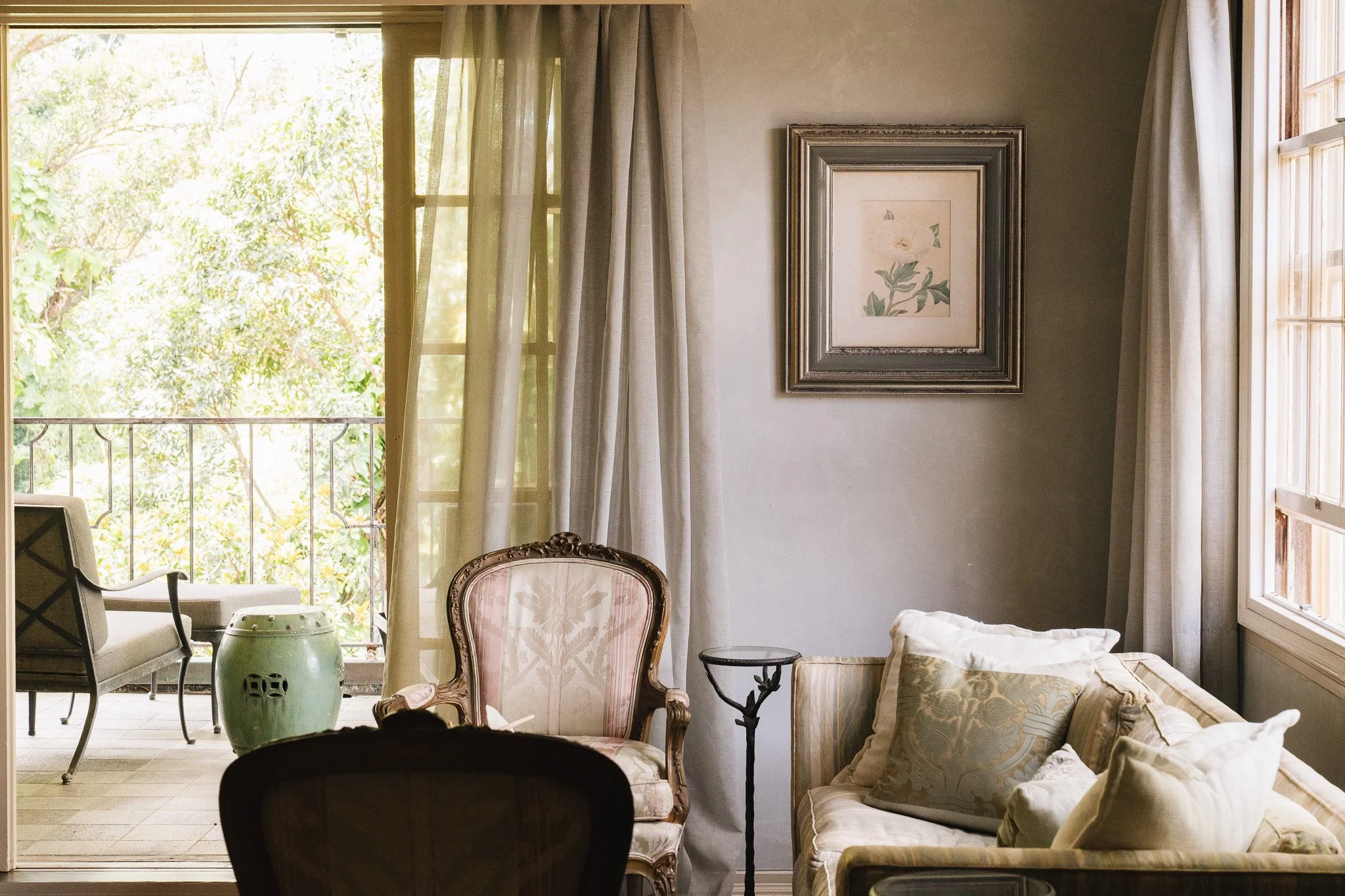
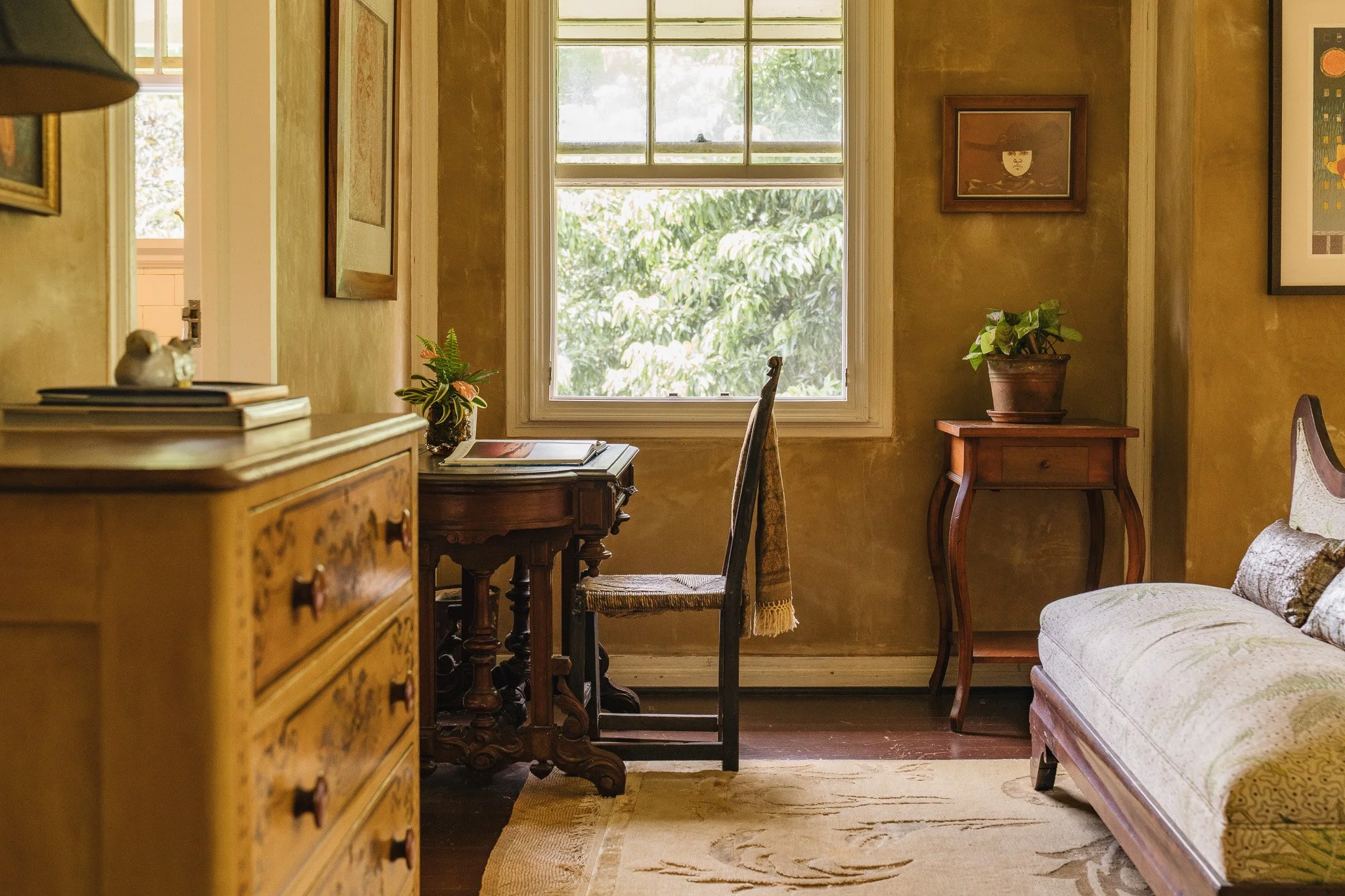
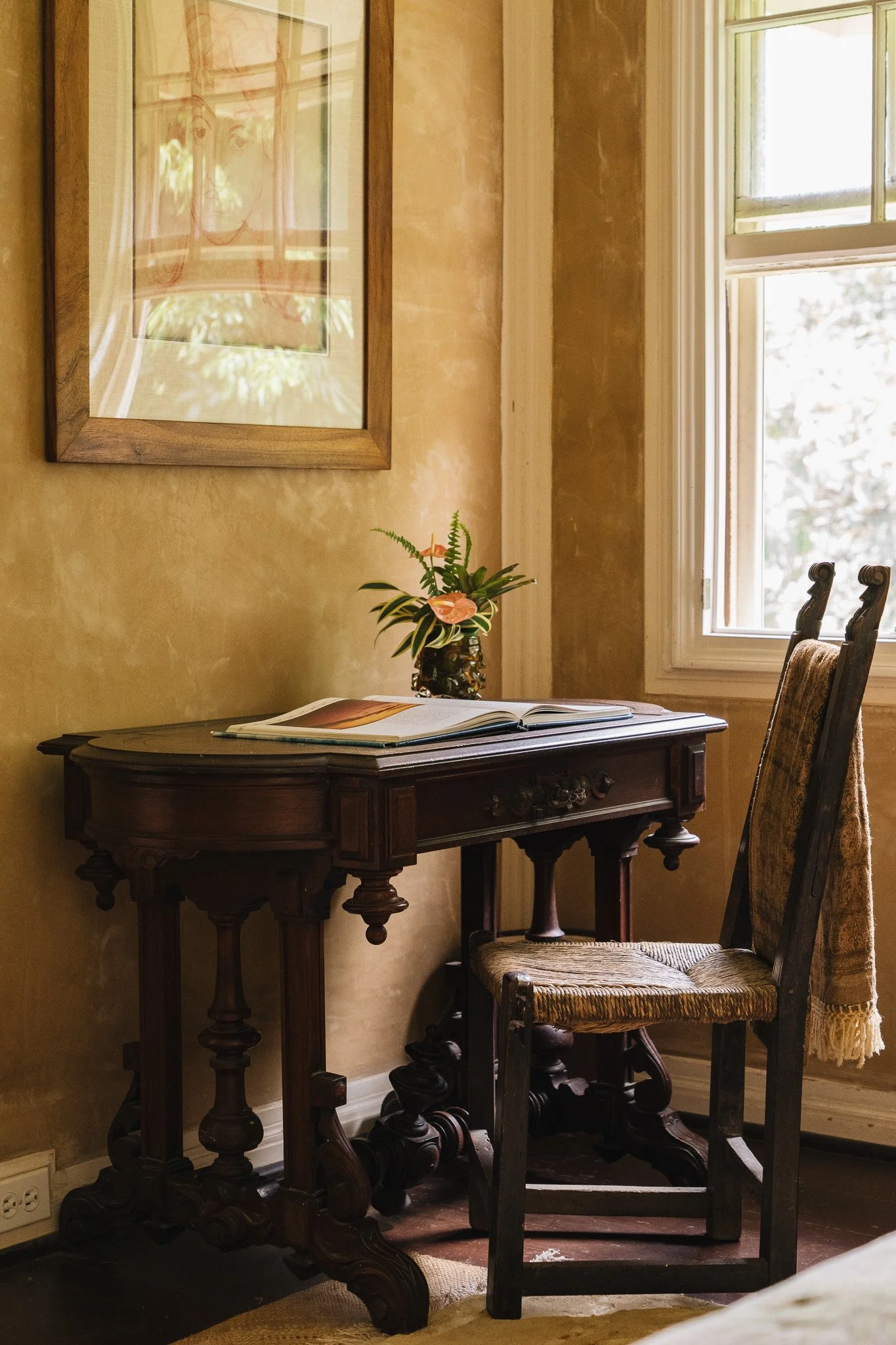
Āhuimanu later became the longtime residence of Mary Philpotts, one of Hawai‘i’s most respected interior designers. Known for weaving local materials, cultural references, and a strong sense of place into modern interiors, her stewardship deepened the home’s significance. Her family’s tenure reinforced the idea that the estate was not only historic architecture but also a living expression of design in Hawai‘i.
-
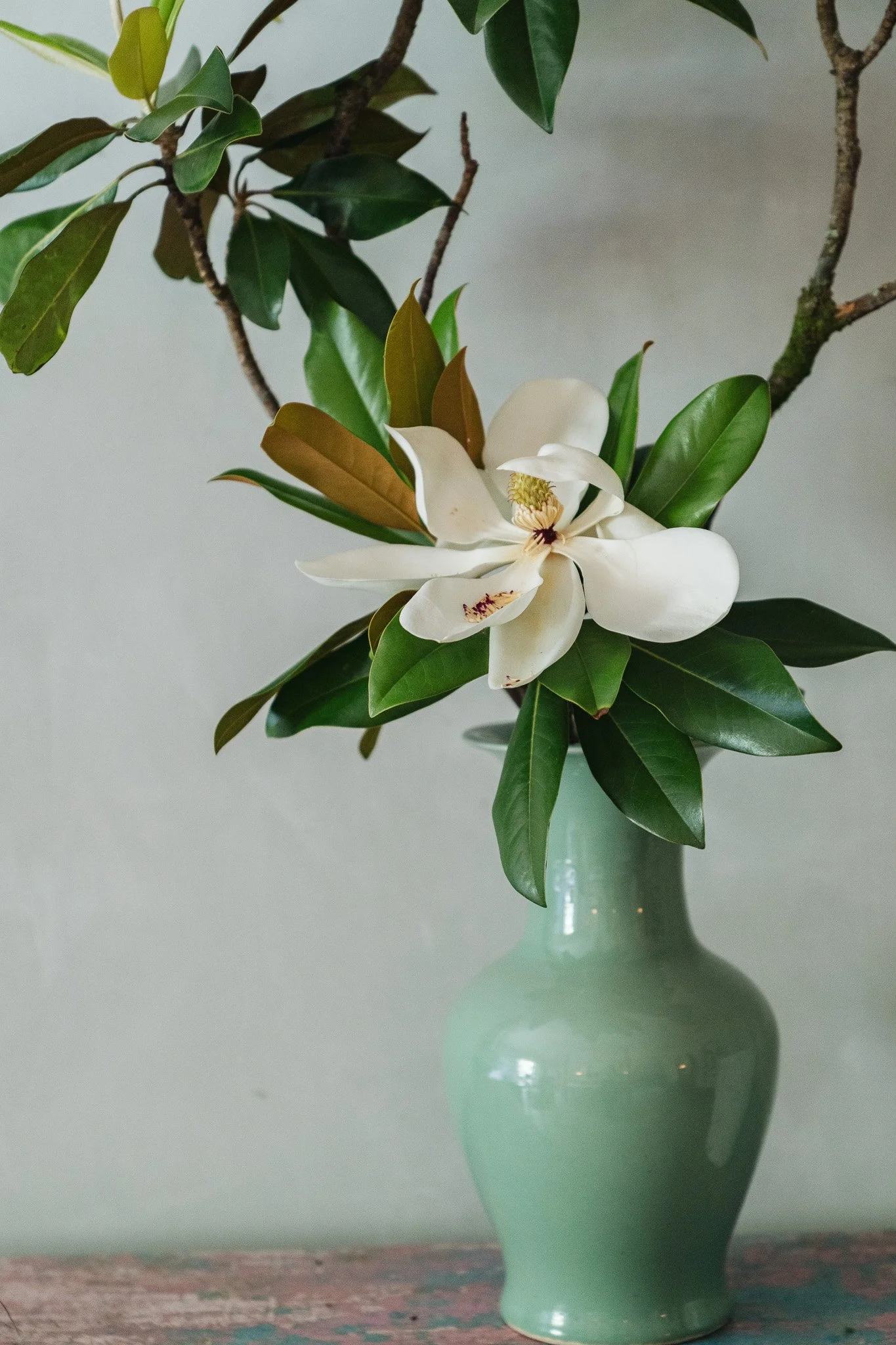
Guided by her belief that design should connect people to the environment and reflect how people truly want to live, she created interiors of lasting value, rooted in culture, art, and craftsmanship. Āhuimanu was her family home for many years, and it remains graced with her iconic style, character, and spirit—an enduring expression of her vision and life’s work.
A Hawai‘i Design Icon
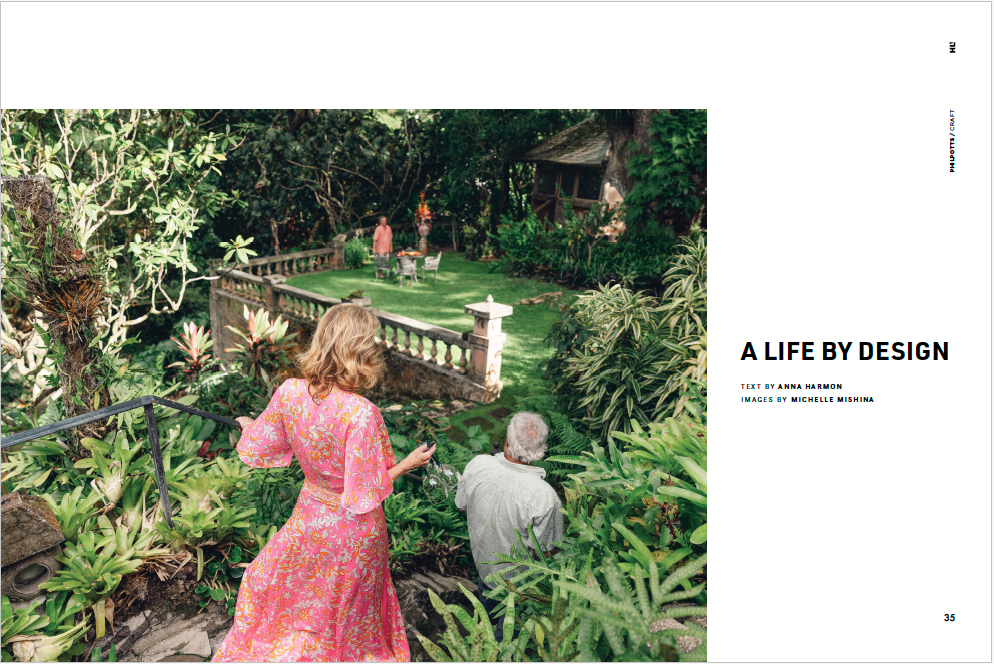
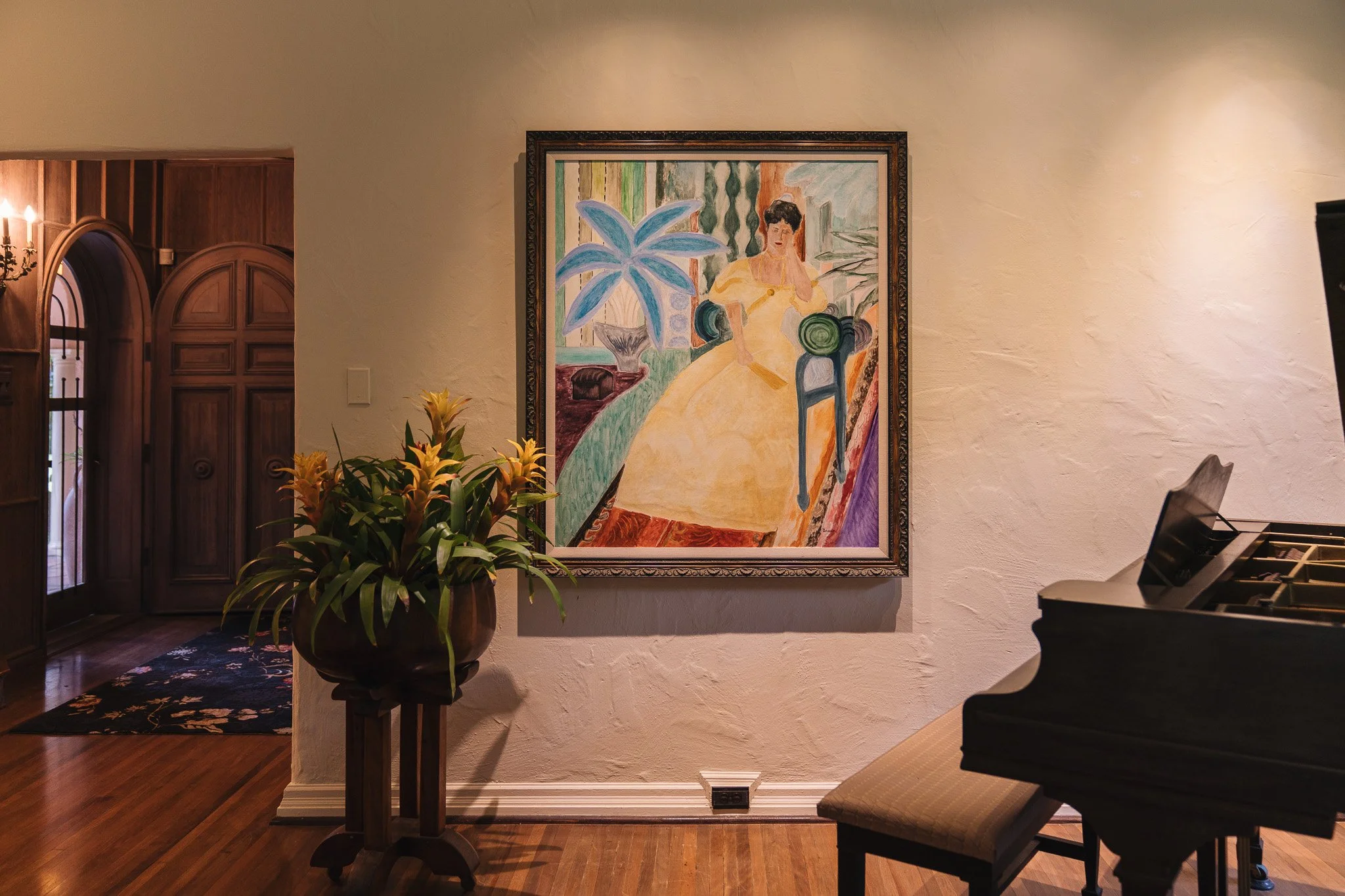
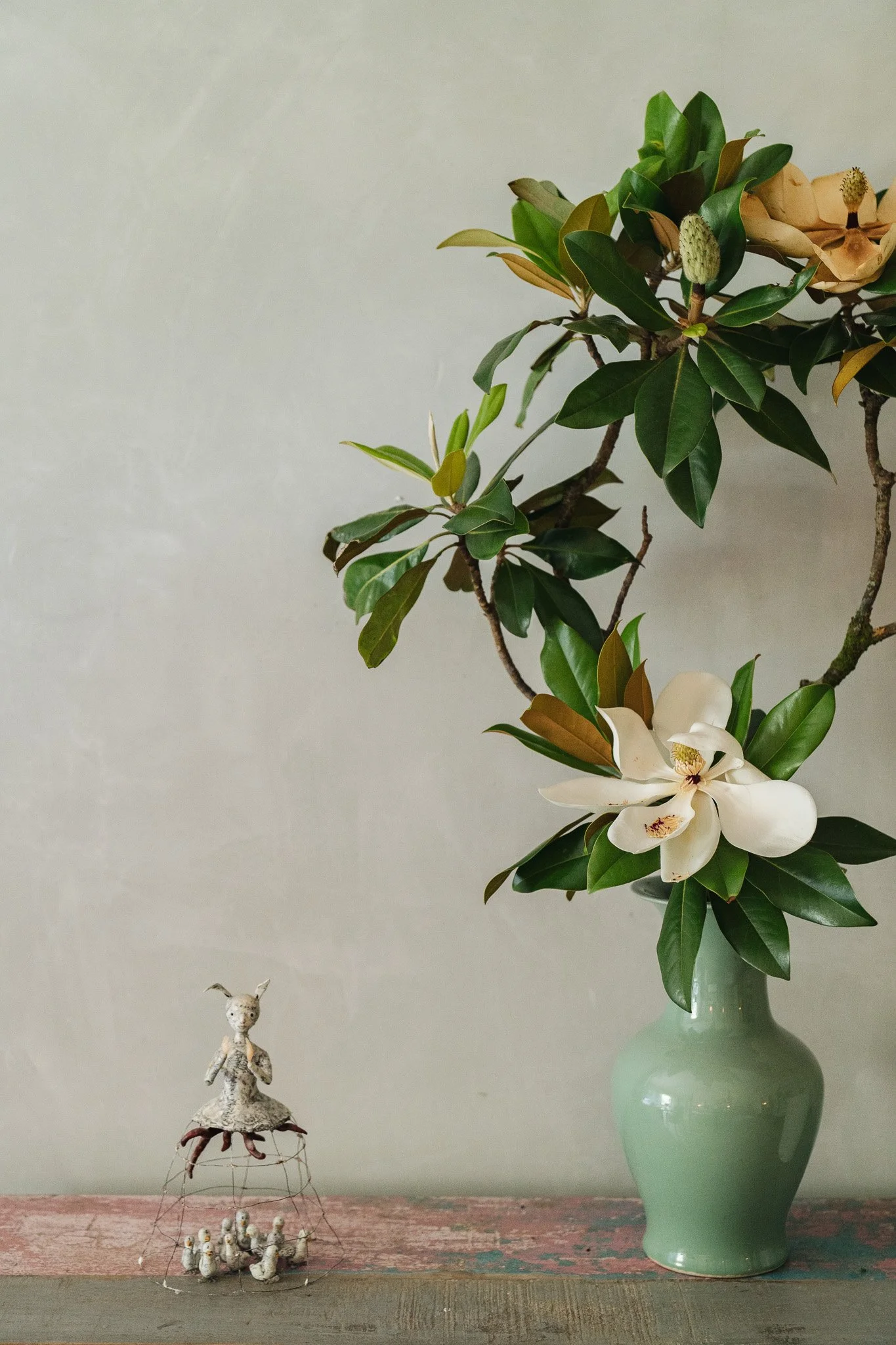
HL1 Magazine published a tribute to designer Mary Philpotts, honoring her life and influence on Hawai‘i design through the lens of her longtime family home. The story wove her philosophy of place, her creative legacy, and the character of the estate into a portrait of a house that celebrates art, family, and history.
A Legendary Firm
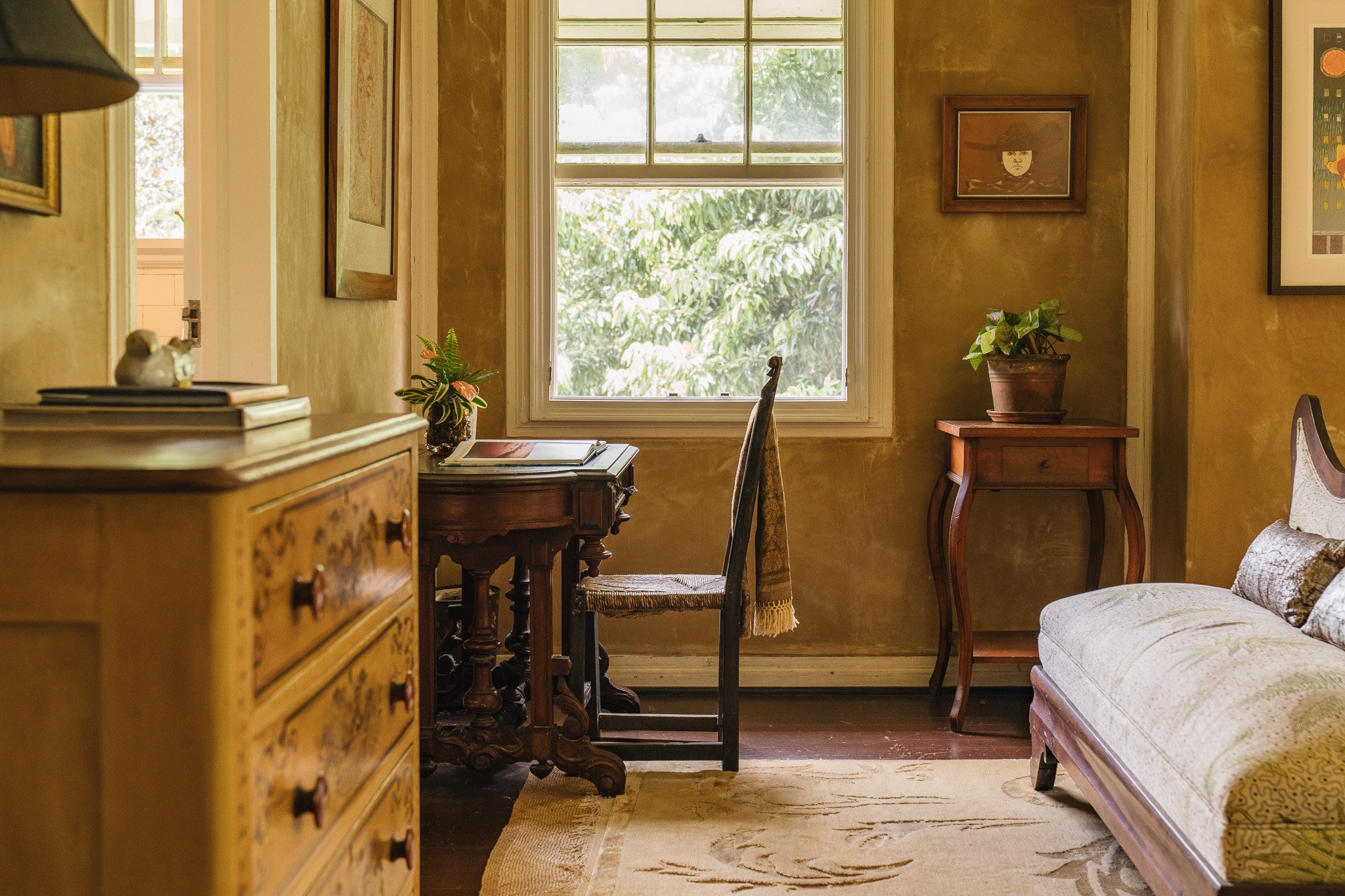
For more than half a century, Philpotts Interiors has shaped the way Hawai‘i lives, works, and gathers. Rooted in Hawaiian craft, Asian influences, and the natural landscape, the studio’s ethos carries the same sense of place embodied by Āhuimanu. Today, under the direction of Marion Philpotts-Miller, Lowell Tom, and Holly Boling Ruiz, they continue to create residences, resorts, and cultural landmarks where tradition and innovation meet, and where contemporary life in Hawai‘i feels deeply connected to land and culture.

Furnishings and Collections
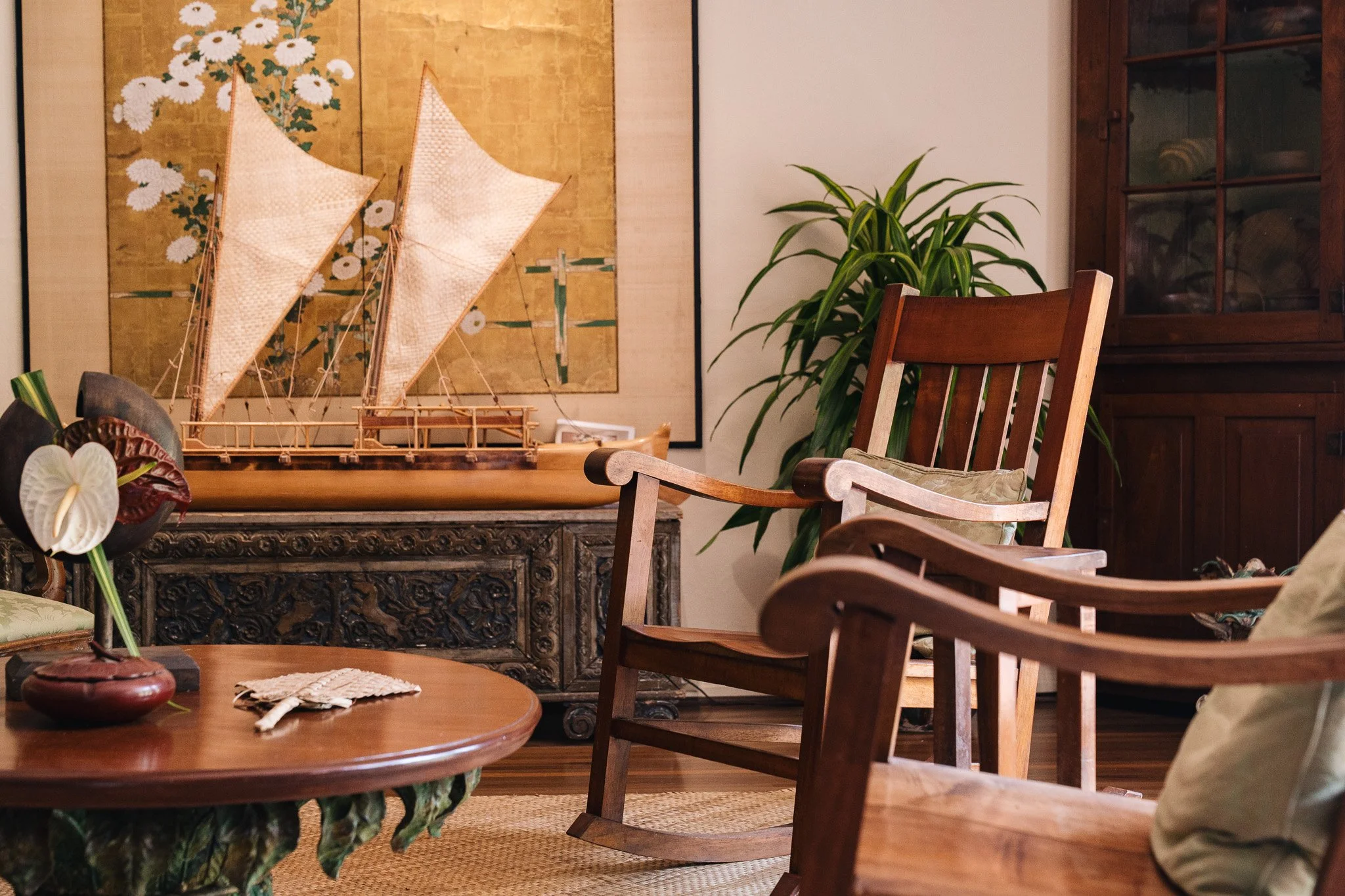
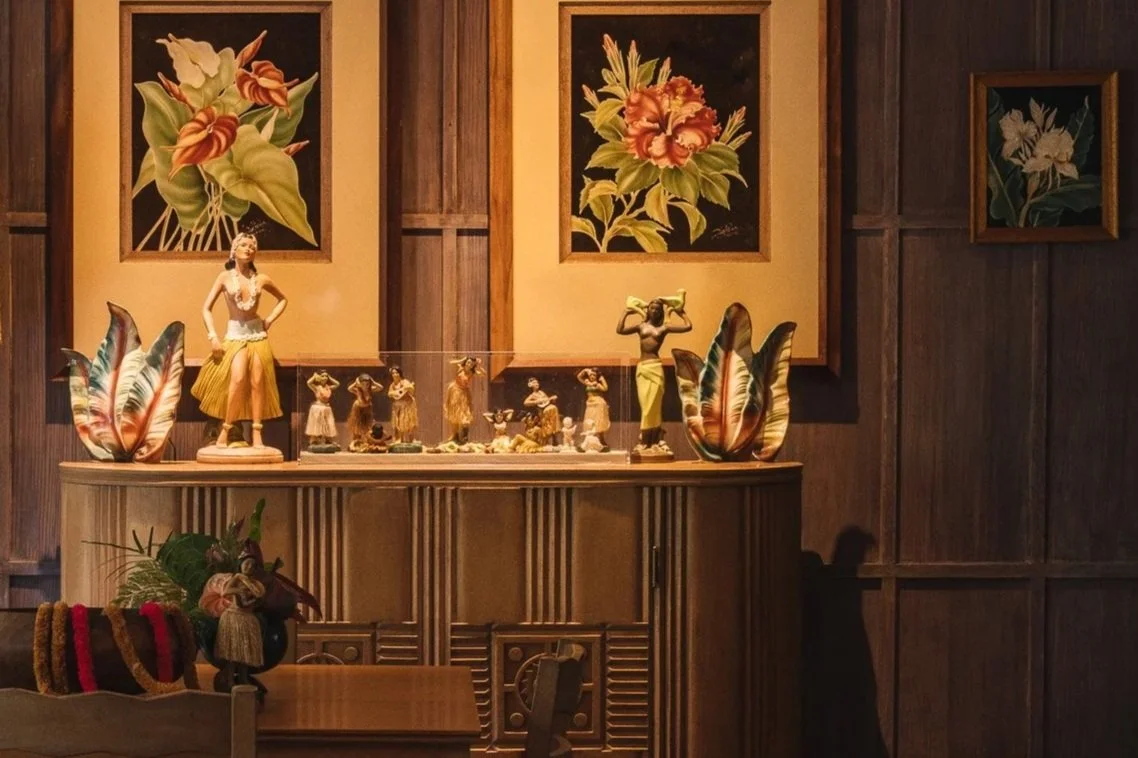
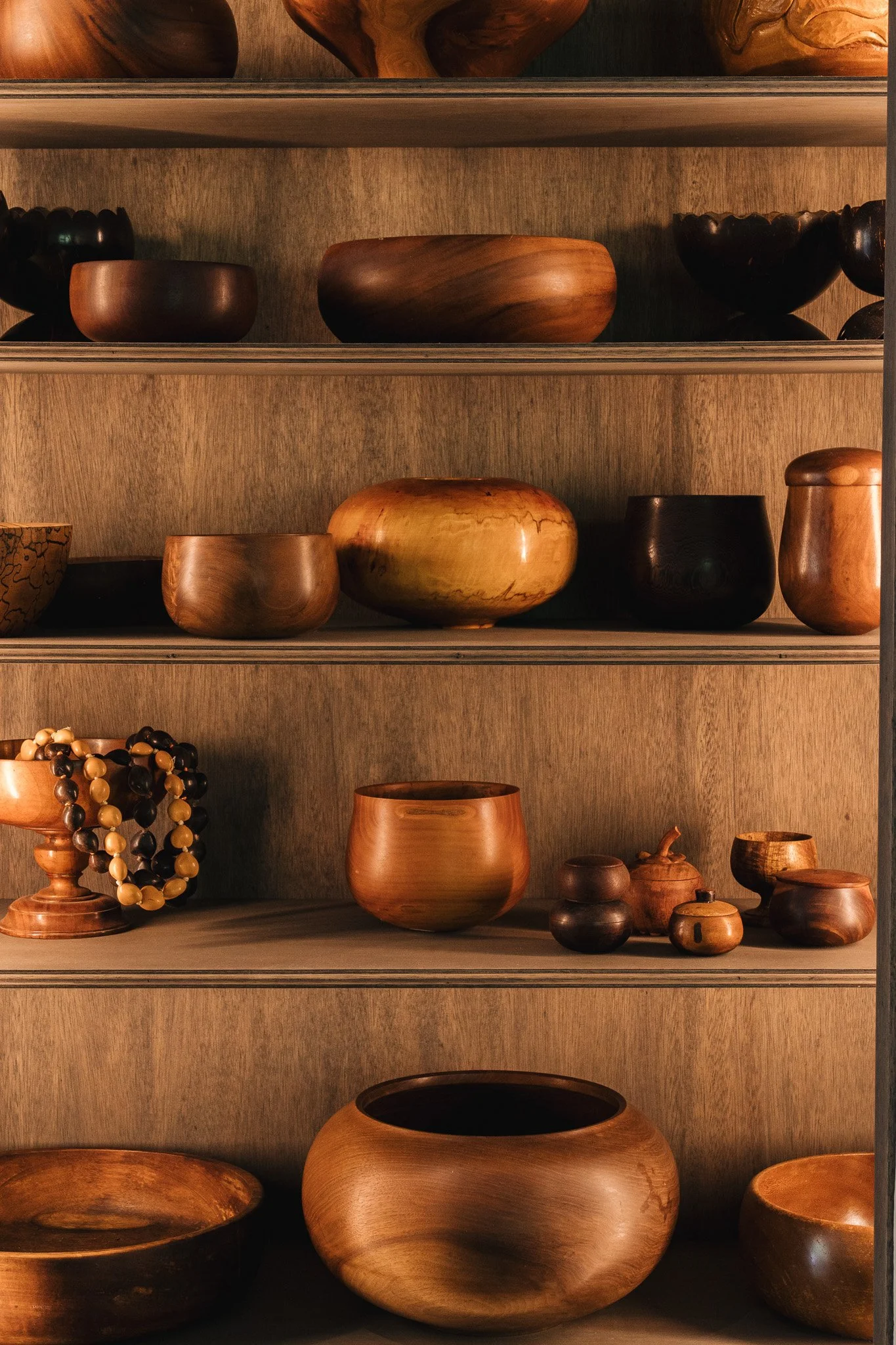
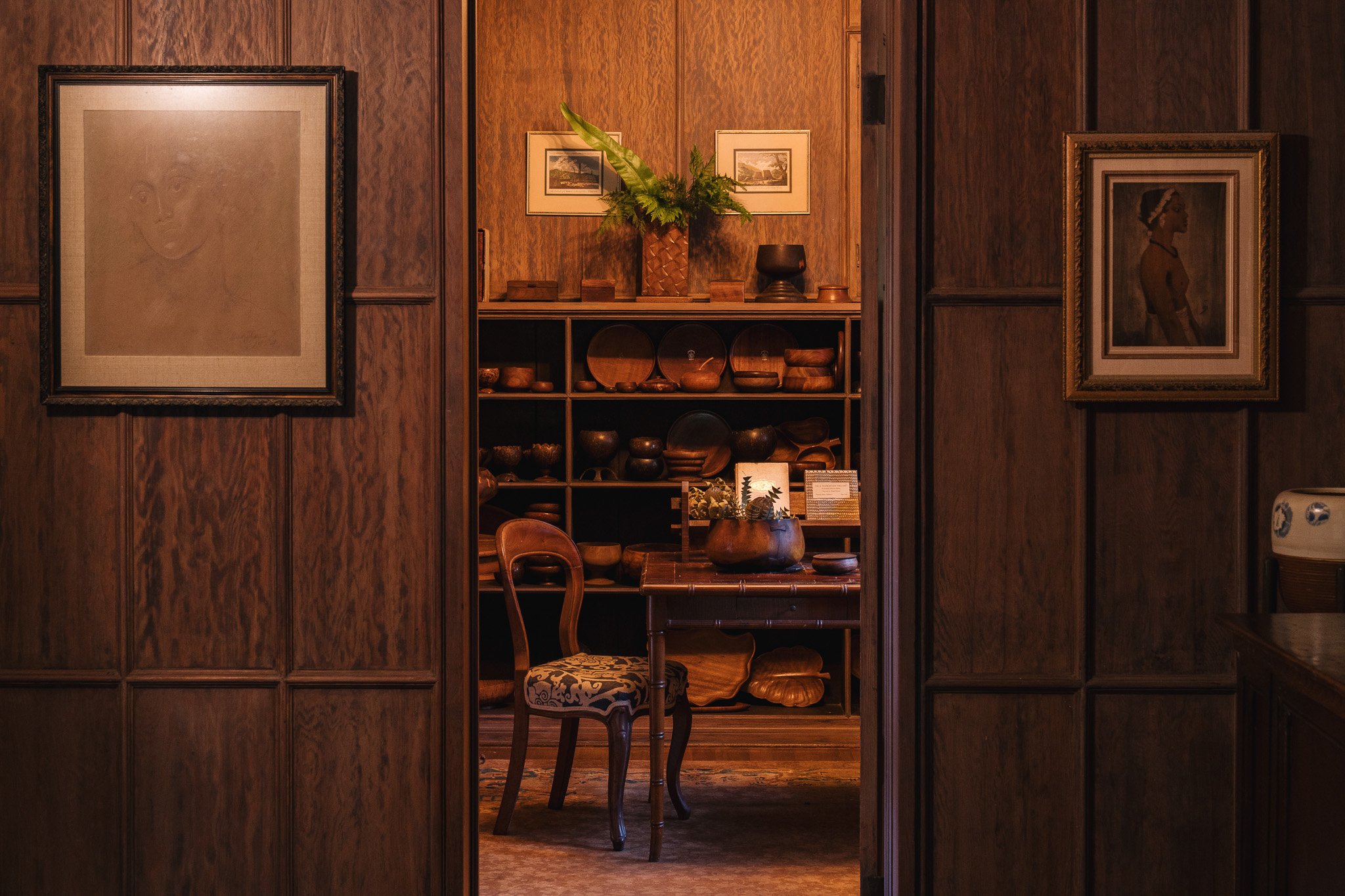
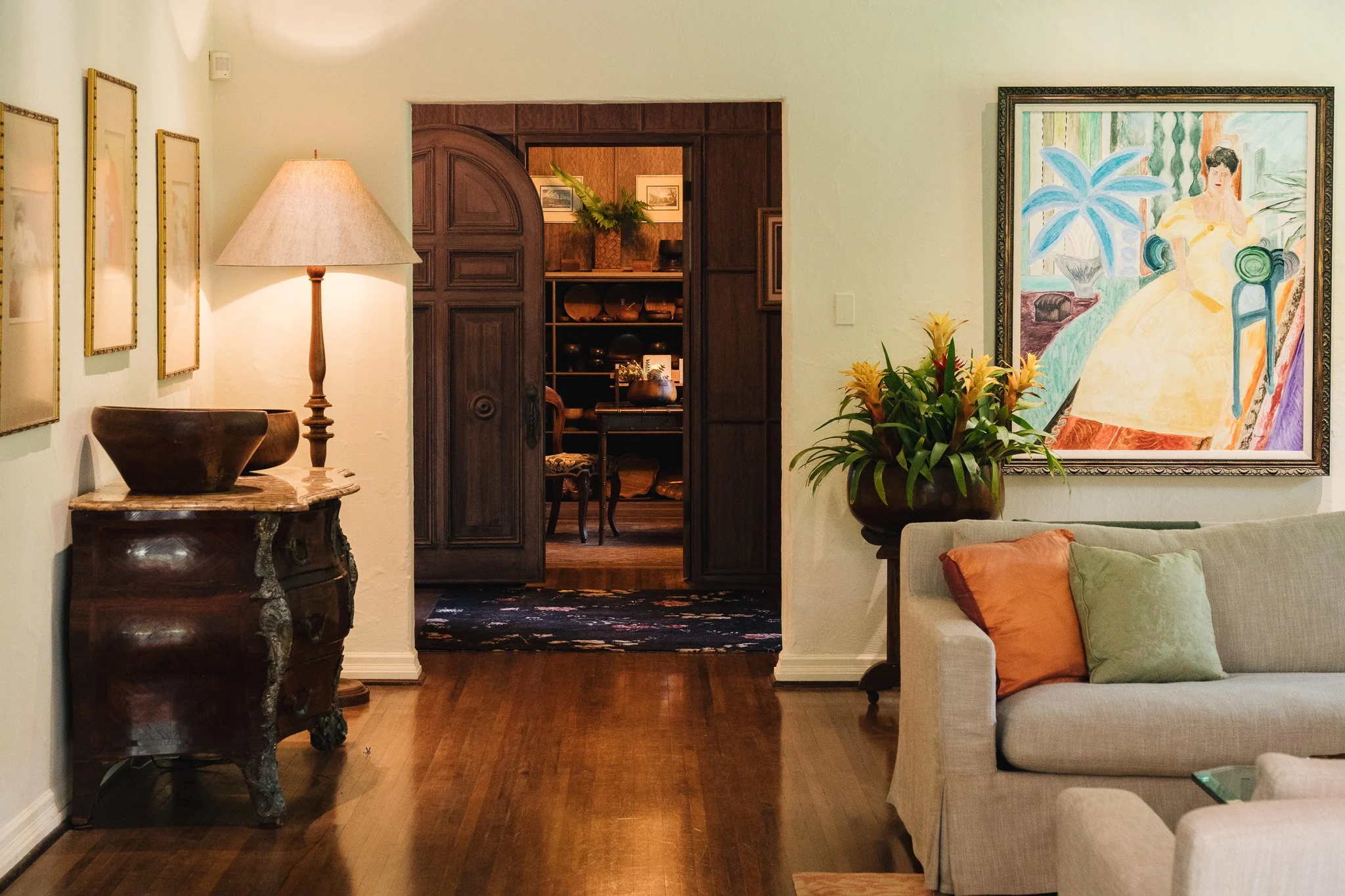
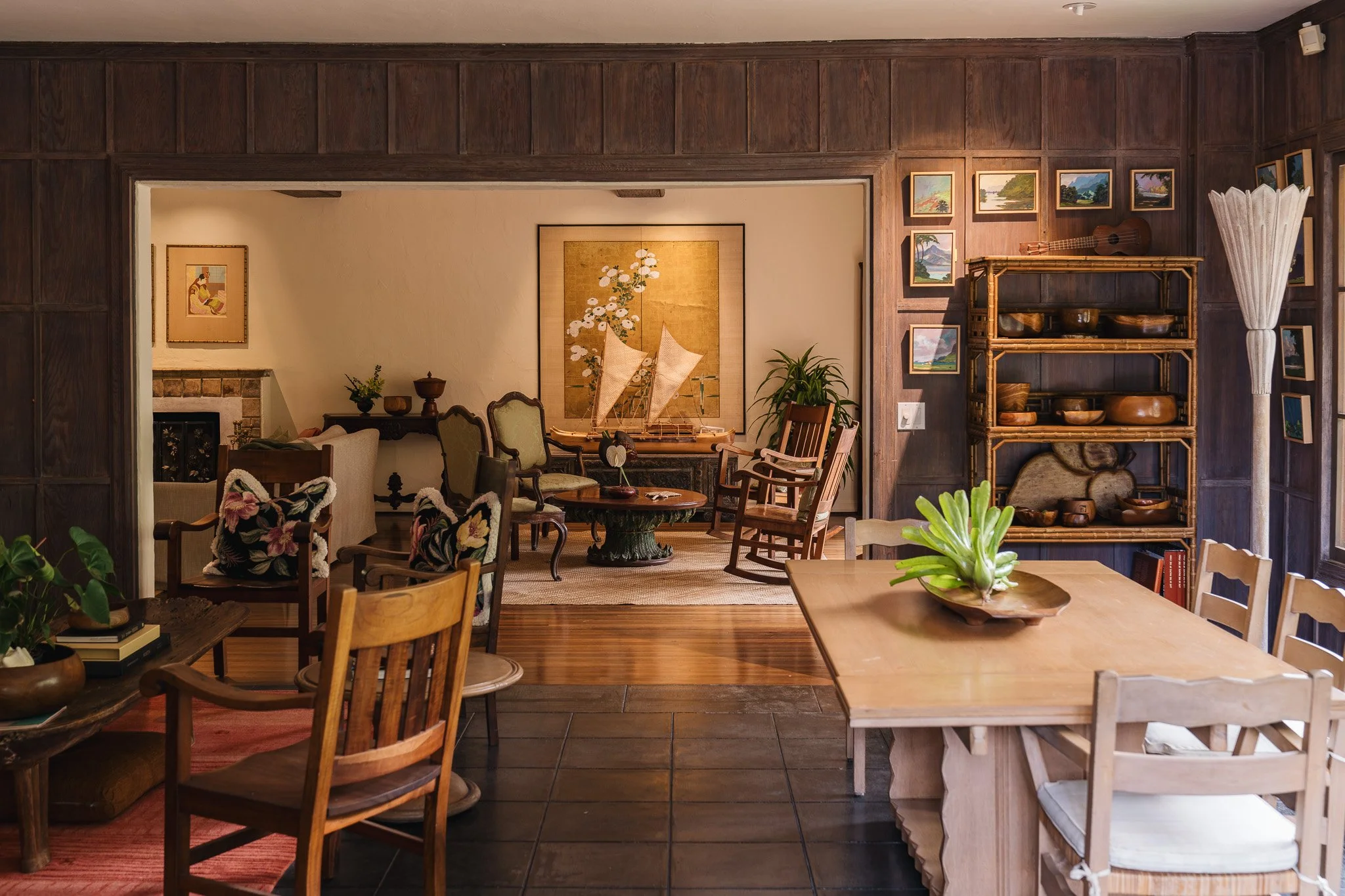
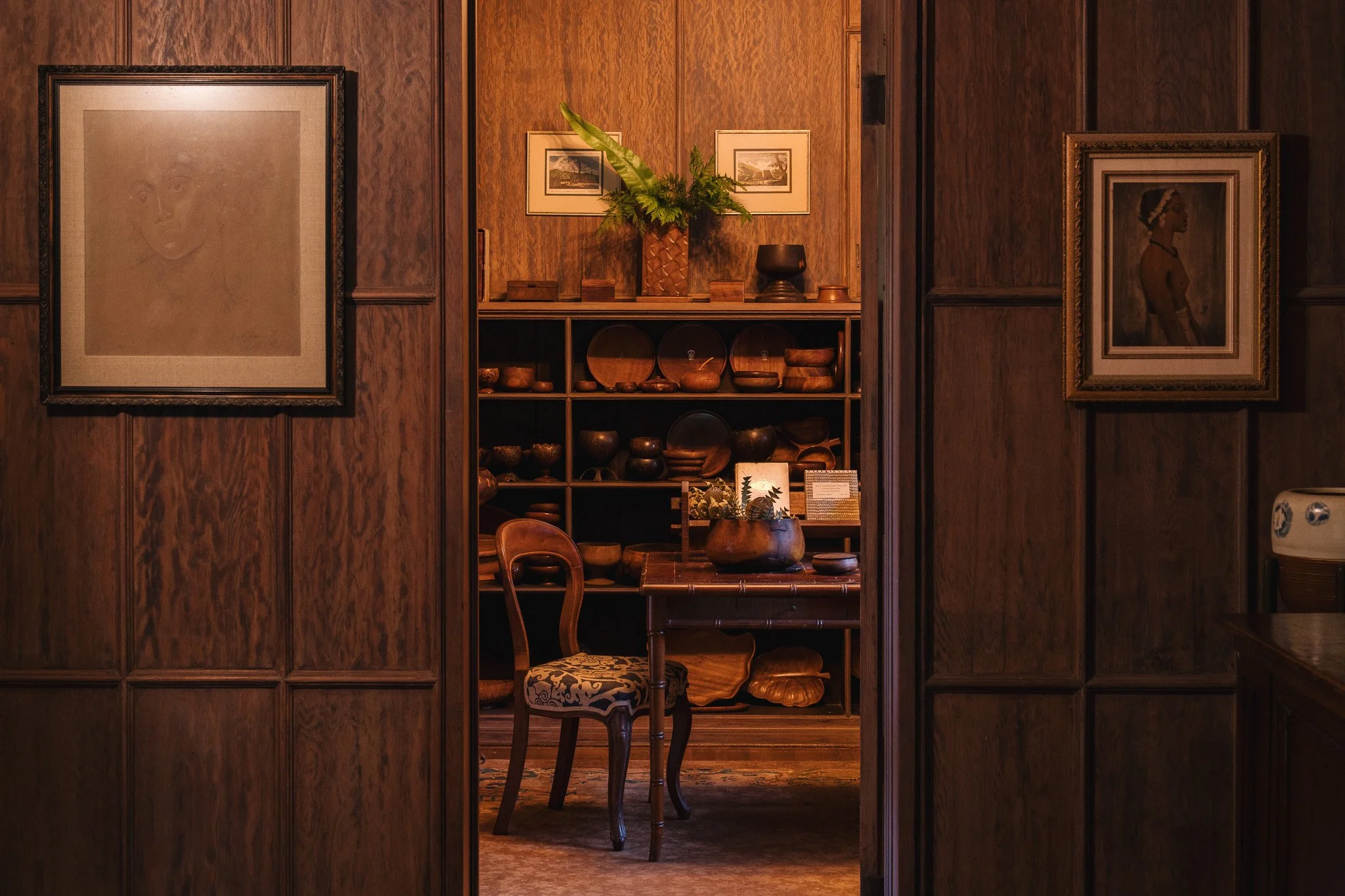
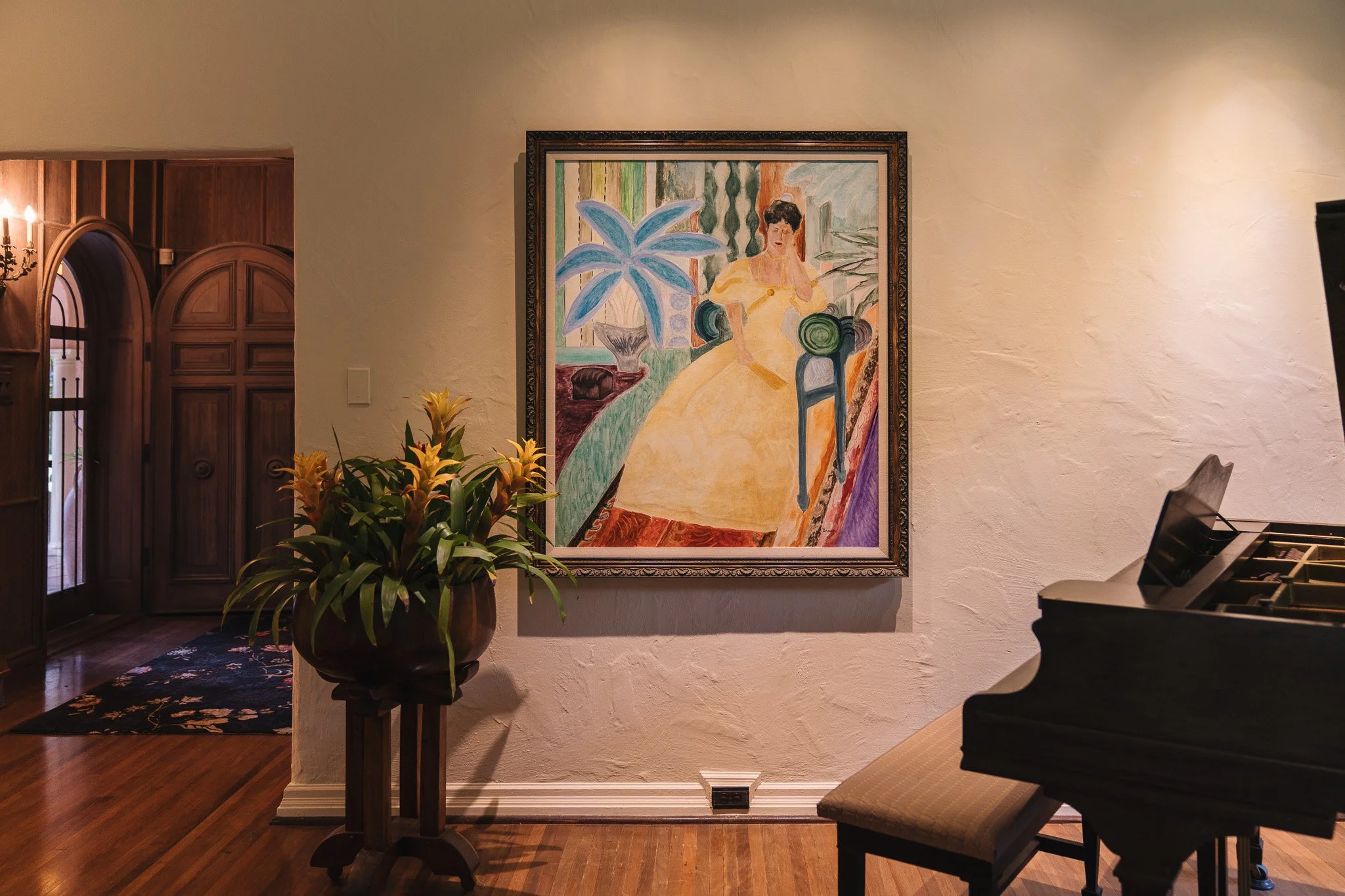
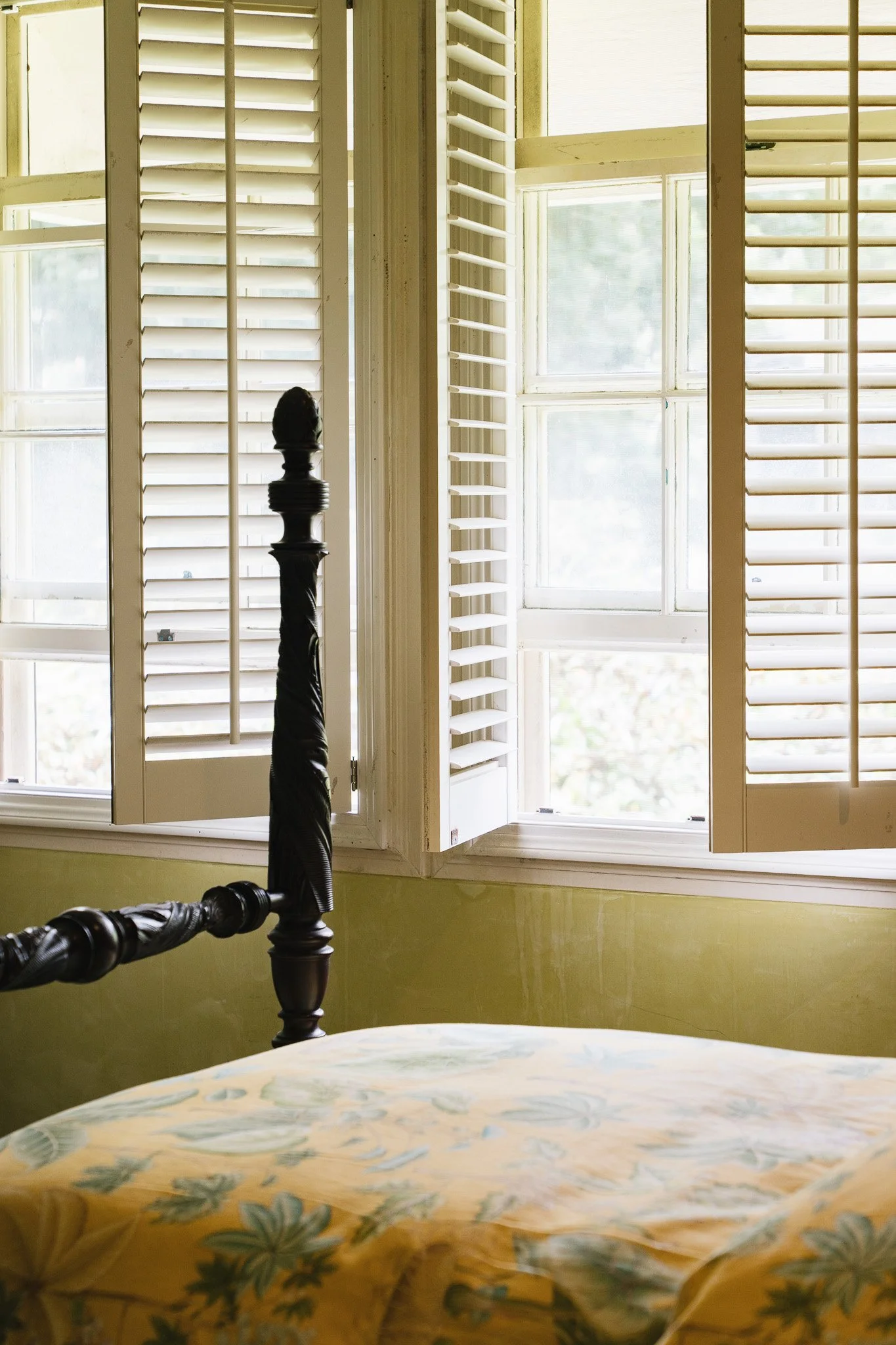
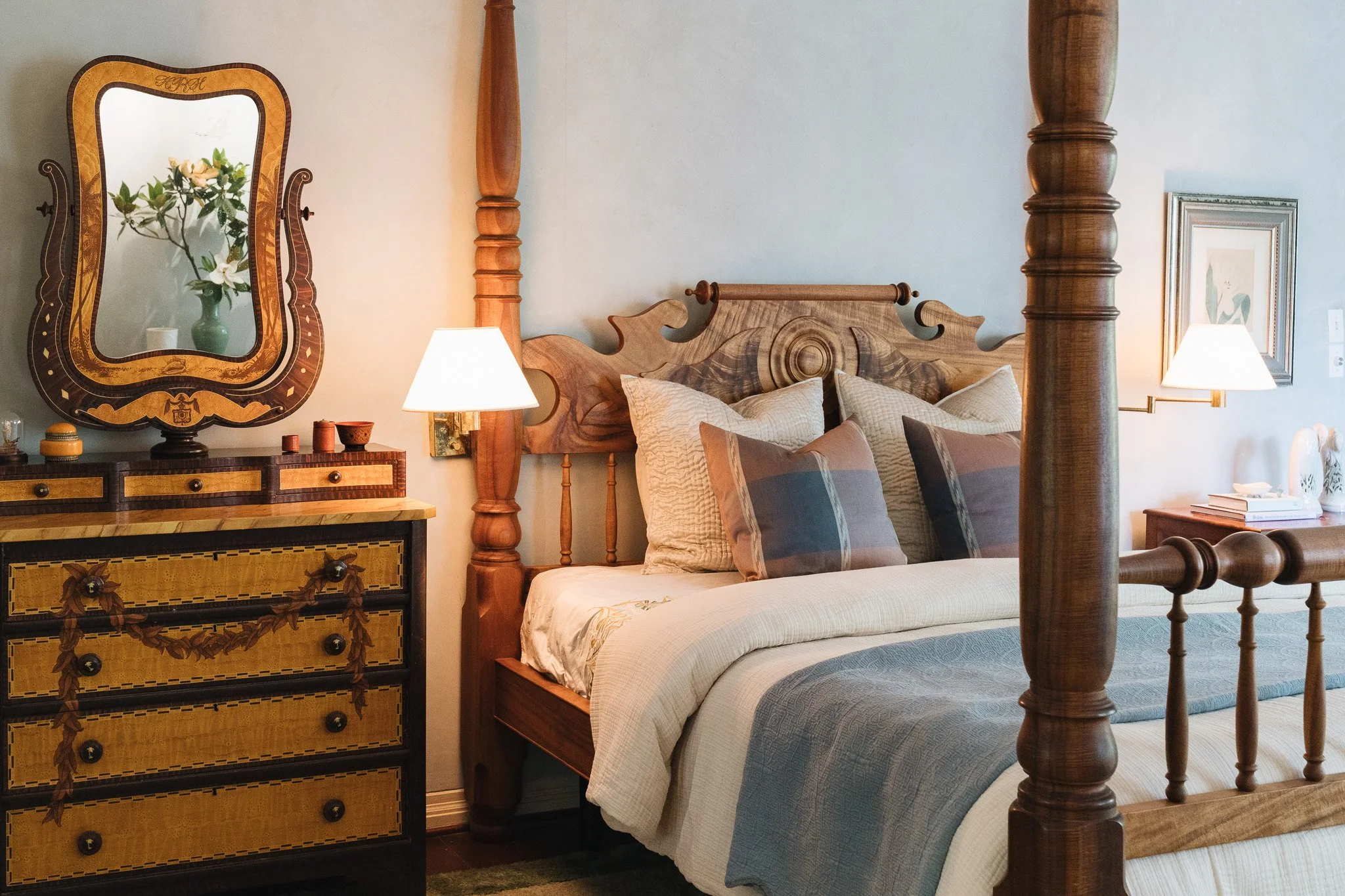
The interiors carry furnishings and collections that reflect both heritage and continuity. Original koa cabinetry anchors the rooms, joined by curated pieces layered over time yet harmonious with the architecture. These items are negotiable in the offering, allowing the next steward to carry forward elements that have become part of the estate’s identity.
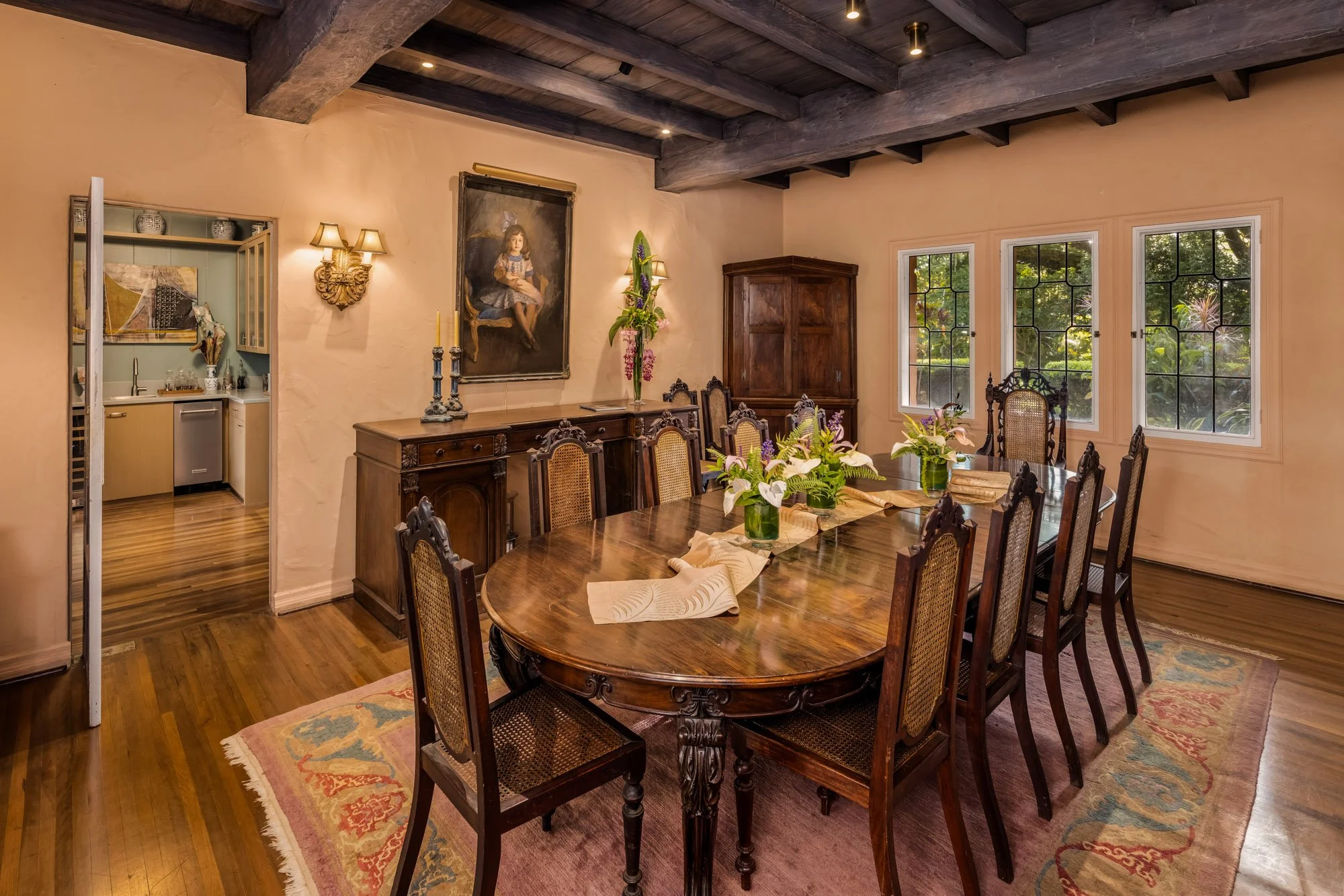
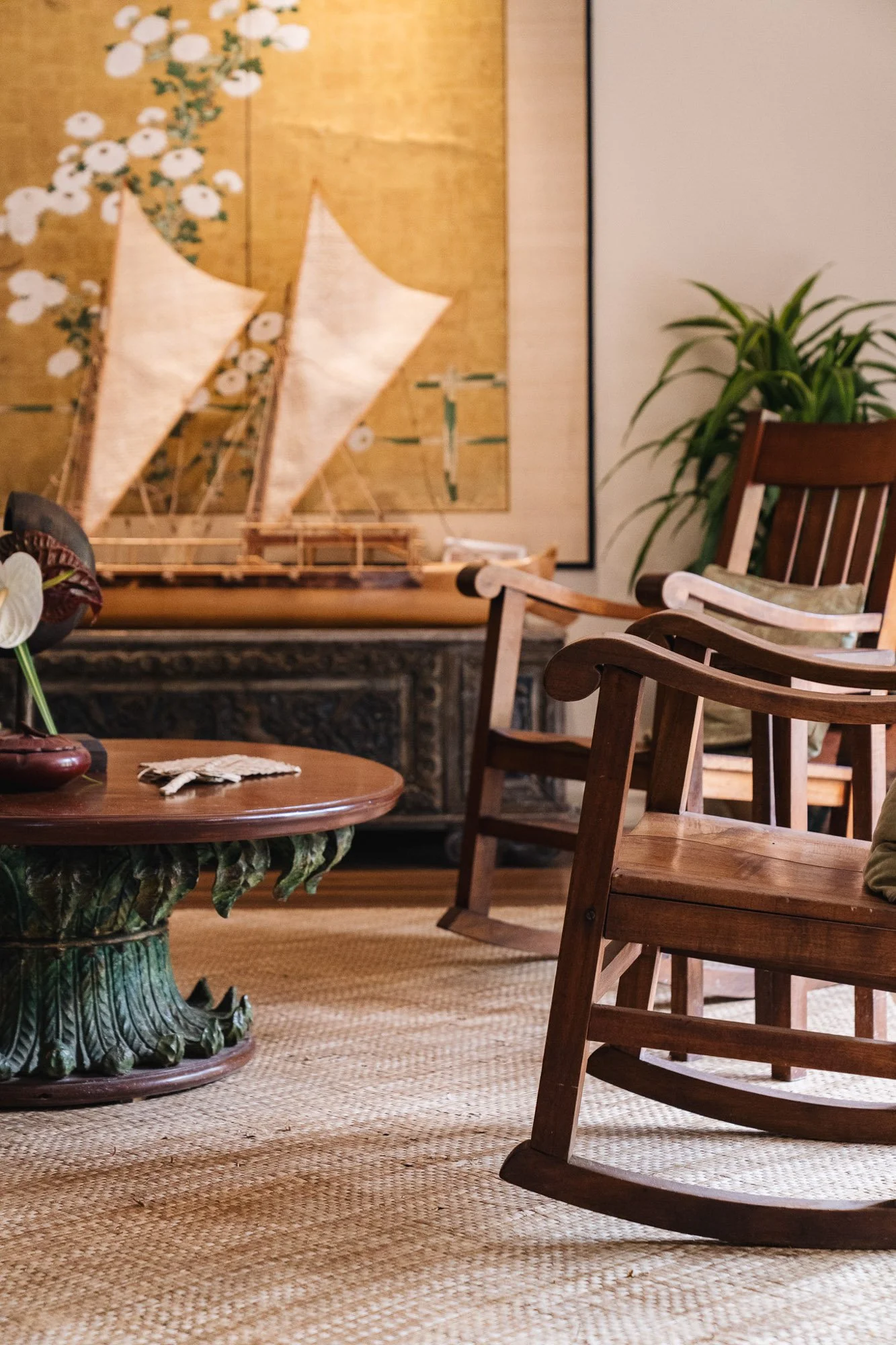
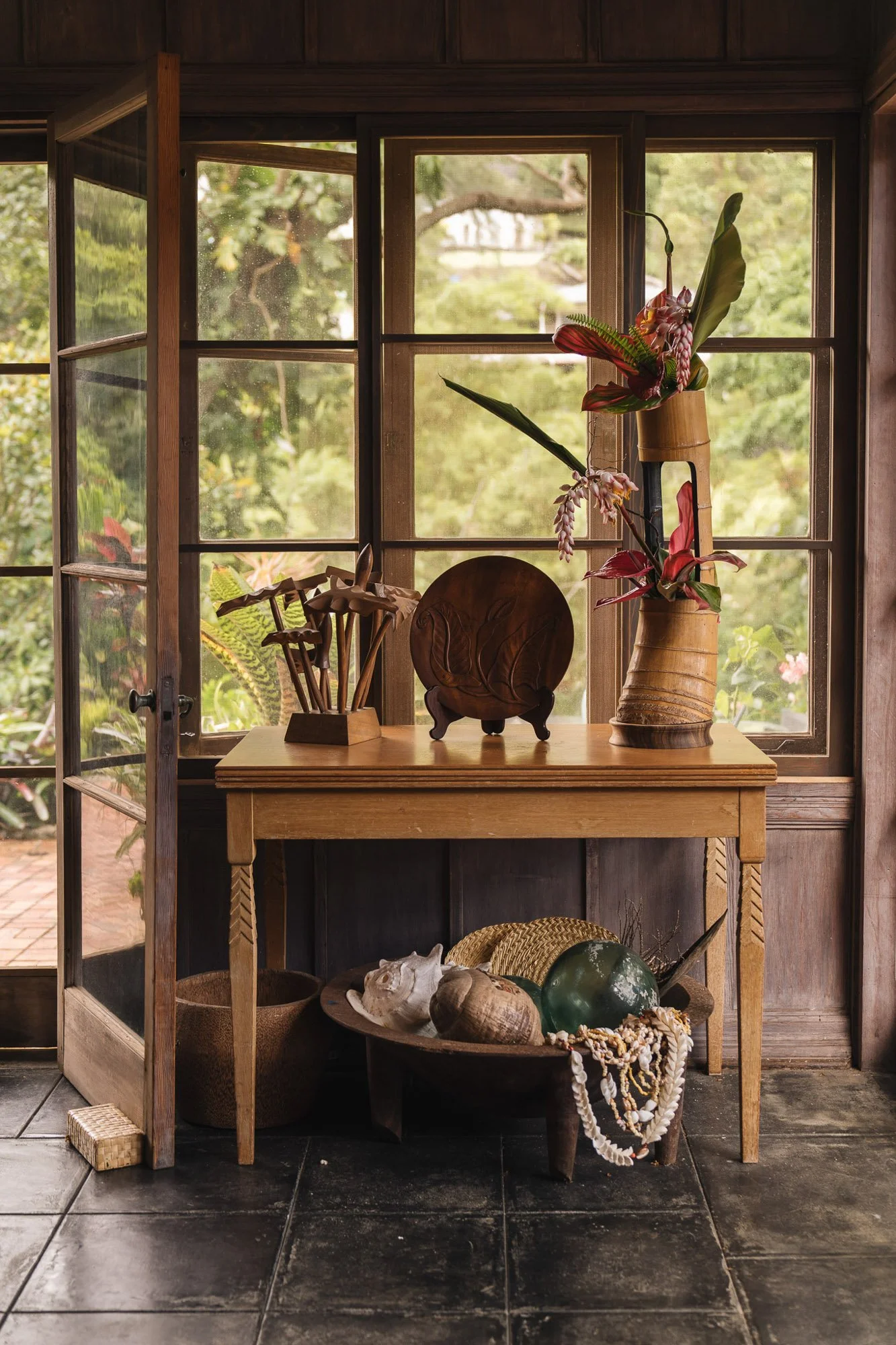
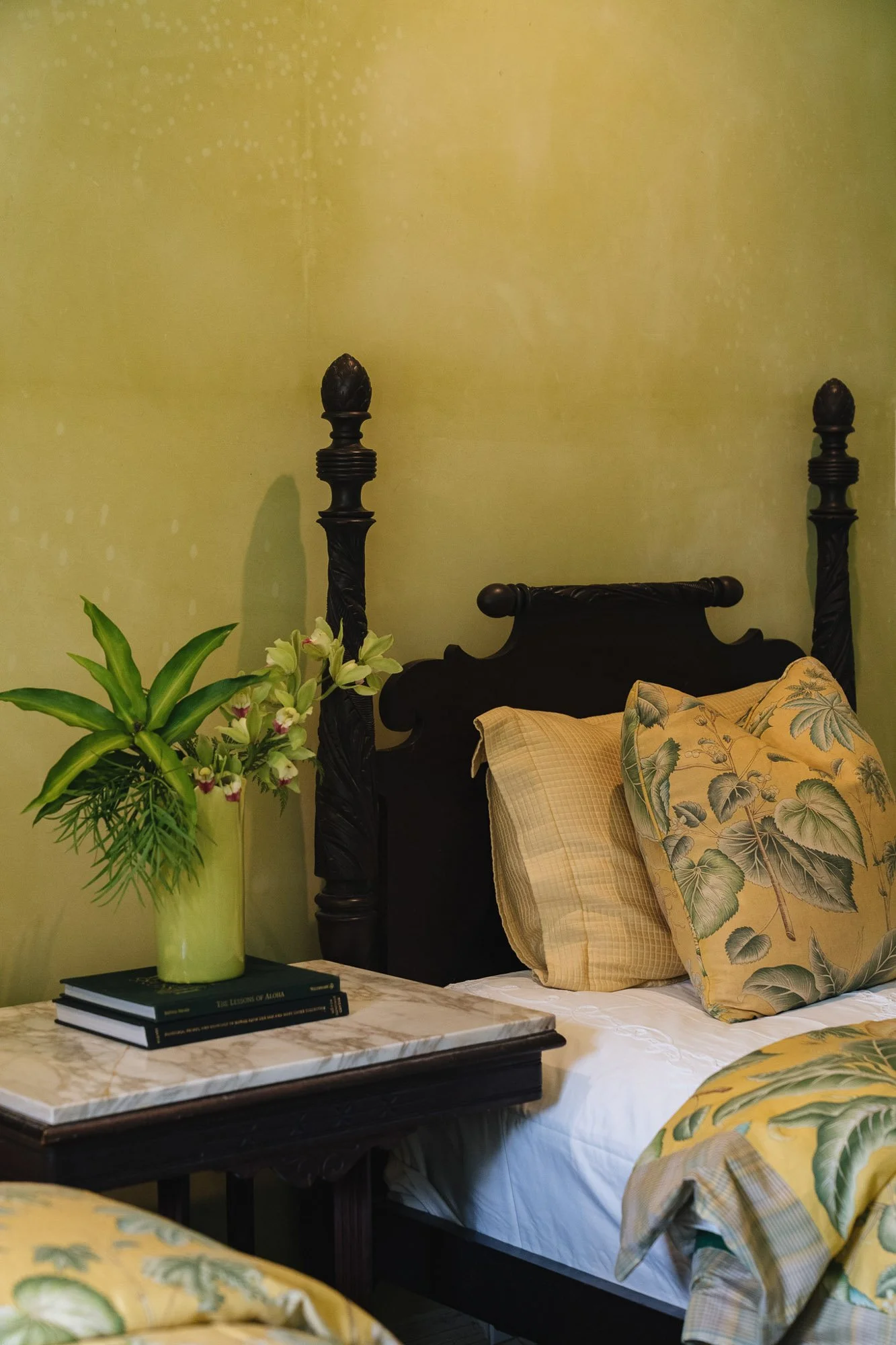
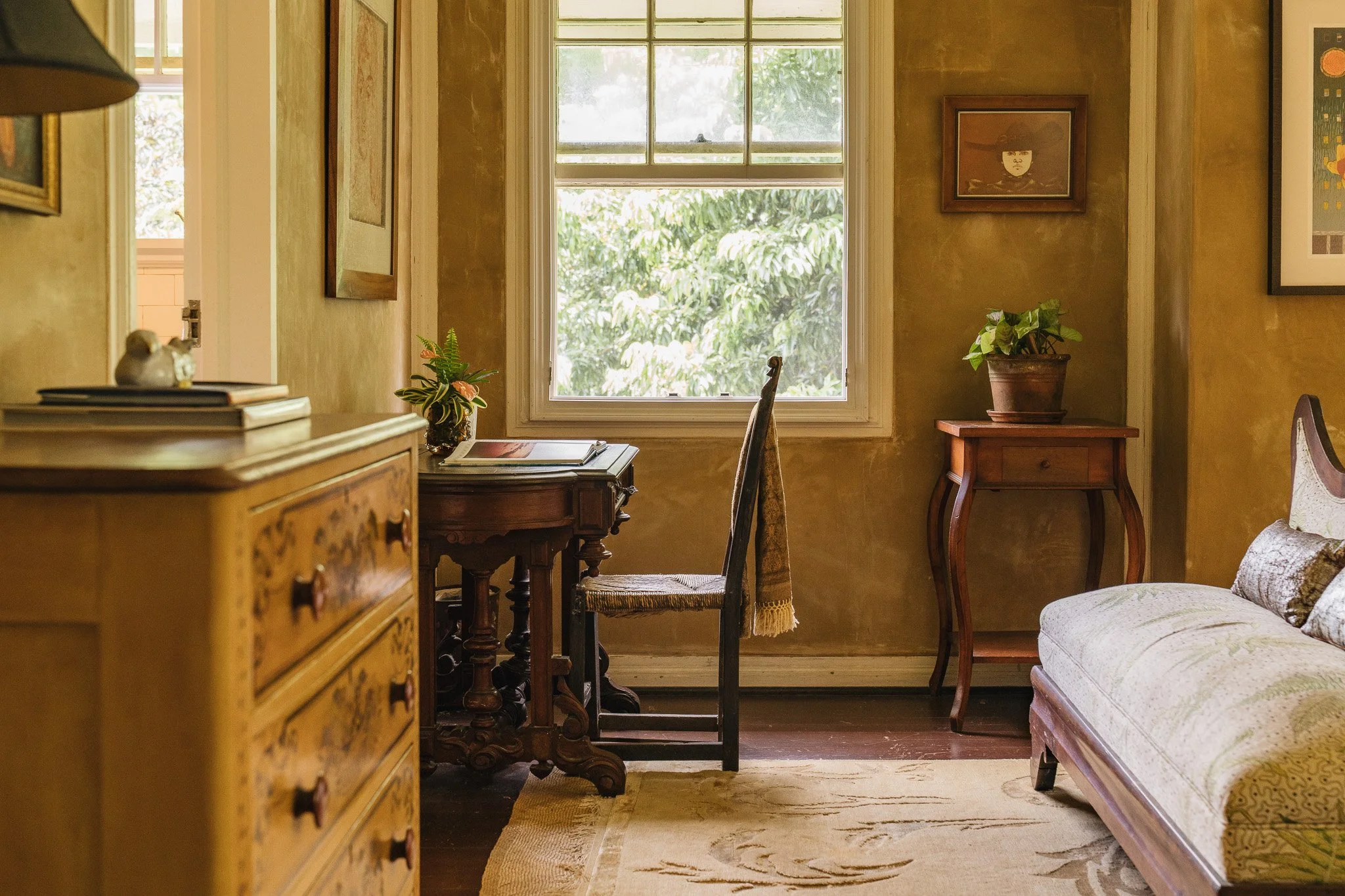
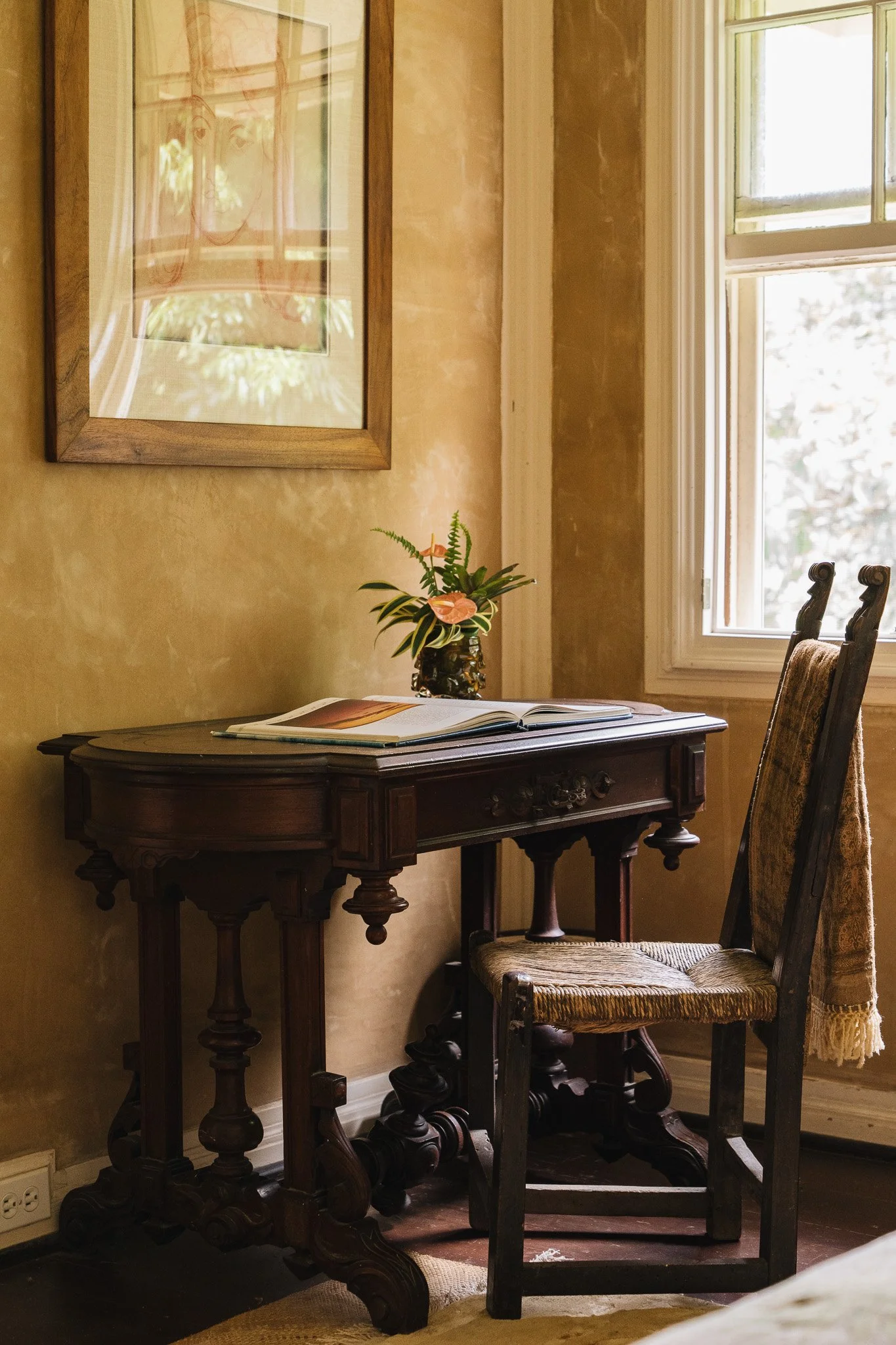
Living History Above Honolulu
Āhuimanu stands among Honolulu’s most significant historic residences, shaped by a master architect and carried forward through a century of stewardship. Its architecture, heritage, and integrity form a legacy that remains as relevant today as when the house was first built. Explore the following pages for gallery and details, or contact Noel Shaw or Matt Beall to arrange a private tour or request additional information.
-
![]()
THE PLACE
View The Grounds
-
![]()
THE HOME
View the Residence
-
![]()
THE LEGACY
View The History
-
![]()
GALLERY
View Image Gallery
-
![]()
SUMMARY
View Executive Summary